Common Questions Kids Ask About Disability and The Responses

Kids come across many things each day that baffle them. Sometimes, they ask the most outrageous questions or speak about things that may make adults around them uncomfortable.

Meeting a person or child living with disability will often bring up questions as they can see that something is different, and they want to know why. 

As a parent, you may be embarrassed when your child looks at a person living with disability and loudly asks, “what’s wrong with him?” Or ” Where did her legs go?”. 

Of course, most parents know the right thing to do is answer their kids’ questions honestly. But they often cannot do it probably because it makes them uncomfortable or they don’t know how to go about it. 

Here are some common questions that kids ask about disability and some answers you can give them. 

1. What’s wrong with that man/woman? 

When your child asks such a question, please understand that kids are puzzled when they see someone who looks different from other people. Instead of getting embarrassed, use that moment to teach your child a life lesson. 

Start by clarifying that when people look different, it doesn’t mean something is wrong with them. Then go on to say that sometimes people are born that way or have accidents as children or adults that harm parts of their bodies resulting in disability. 

Lastly, tell your child that it is always good to respect all kinds of people. You could then initiate a conversation with the disabled person in question and involve your child to demystify and educate about disability.

2. How does he do this and that?

When kids look at people with disabilities, they often wonder how they do things. So other common questions you will get about disability are ‘how’ questions. 

For example, how does he feed himself, how does she write, how does he go to work? When kids ask such questions, they just want to know if disabled people do things like ordinary people.

To answer the question, you could tell your child that there are smart people who have made equipment that disabled people can use to do regular things. For example, they have electric wheelchairs that help them whiz around fast instead of walking on their feet.  

Also, be quick to inform your child that disability does not stop people from doing regular things. If you can, show them examples of disabled people doing great things. It will make a difference to the way they perceive disability.

3. Who takes care of them?

When kids ask this question, they are wondering who takes care of the disabled person as they have a mom and dad that does this for them. They may feel concern for the person in question. 

To answer, start by talking about the support that disabled people have in hospitals after their diagnosis. Tell them about exercises, medication, and therapies and the different healthcare workers, including doctors, nurses and therapists and who help them.

Talk about their family and friends and how they assist them on a day-to-day basis.

Lastly, speak about the support disabled people get from society through different organizations, support groups, social workers and even the government. 

The idea is to show your child how supportive society is to people with disabilities and instill in them empathy.

Conclusion

These are just a few questions on disability you could get from your child and suggestions on how to answer them. 

Once you honestly start speaking with your child about disability, they will grow up conscious of the rights of the disabled and champion them where possible. And that’s a great achievement for any parent, isn’t it?

How Do You See Your Smile?

When you look back at your selfies or catch yourself in the mirror, do you ever wonder what your teeth would look like if they were a bit straighter or whiter? Have you had a chipped tooth and cannot even remember what your smile would look like if it wasn’t chipped?

Research shows that around 4 out of 10 people in Britain are feeling just the same as you and are not happy with their teeth or smile.

With all the more DIY teeth whitening kits available, having a stunning smile is only becoming increasingly popular.  Is it just the neighbours or your friend or relative that has had an amazing treatment done that only everyone has noticed? The best place to get this done is with a professional.    It isn’t always cost effective paying all that money up front is it, so where do you start?

If you’re in need of that confidence boost and want to be the talk of the town or merely want straight white teeth in those selfies, why not look for an orthodontist in Harley Street!

With the cost options now available that you can spread over the year, that new smile could be just the thing you needed.

What is a cosmetic dentist?

There are so many options available to suit your particular needs so try not to be bamboozled with it all instead book yourself in for a consultation and leave it to the professionals and experts, after all, they do this day in day out.

Whatever your needs are, from teeth whitening to those straight teeth you’ve been dreaming about, talking to the industry specialists will help you choose what is best for you.

They generally give you advice based on your requirements and advise you of the costs before treatments are done which you can spread over different terms.

What are cosmetic dentistry options?


Have you had a filling before or has it chipped or fallen out? Do you just know that you need one doing? White fillings are available to compliment that smile of yours or make you feel less self-conscious.

Always wanted that smile straightened and have all your teeth in line? You can with invisible braces ensuring that it keeps the treatment less noticeable. Everyone wears these braces for different periods of time and generally maintain the upkeep through regular check-ups.

DIY kits are becoming an increasingly popular method, there are so many options readily available but there is no guarantee of the end result, so for the best results always talk to your dentist

If you have stained teeth or imperfections, veneers are just the thing to help change the whole smile.  They help by placing a layer over your tooth making each tooth equal and perfect and letting you have that dazzling white smile you’ve always wanted.

Step up your smile and talk to a professional about how easily you can have your confidence lifted by restoring your teeth to be straight or white or whatever your requirements are and for an affordable amount.

In the current world we live in, we all know technology in general is constantly improving.  Advanced technology has also enhanced dentistry equipment too.  So for that Hollywood smile, get yourself booked in now.  What are you waiting for?

Are You Looking For An Alternative To Traditional Braces?

Being unhappy with the condition of your teeth is completely normal. The numbers of people that get Invisalign in Weybridge each year to correct the straightness of their teeth is only growing. An inventive way of moulding your teeth into the smile you have always wanted, it is something that needs to be considered, if you have had your reservations about opting for wearing a traditional brace.

Your teeth can make you self-conscious at the best of times. When you eat in public, smile for a photograph, and sometimes whilst having a proper conversation with someone, can make you feel insecure. Getting treatment sooner rather than later will not only have you smiling sooner, but it might prevent you from needing more dentistry work later in life.

Having these braces also has the potential to boost your oral hygiene. Having slightly wonky teeth can cause plaque to build up if you are unable to brush them properly. It is important to go for regular check-ups to your dentist, as they will be able to assess the condition of your teeth. Your practitioner will generally want to ensure that you have good oral hygiene before you undergo any straightening treatments.

What you need to know

If you have been holding back from getting braces for any reason, it is time to reconsider. This is an incredibly discreet brace that is easily removable. This means that you can pop it out if you need to eat in public and have the confidence of knowing that there is less chance of plaque build-up when you brush your teeth. It is still necessary to wear the brace for twenty-two hours of the day, but it gives you a little bit of flexibility.

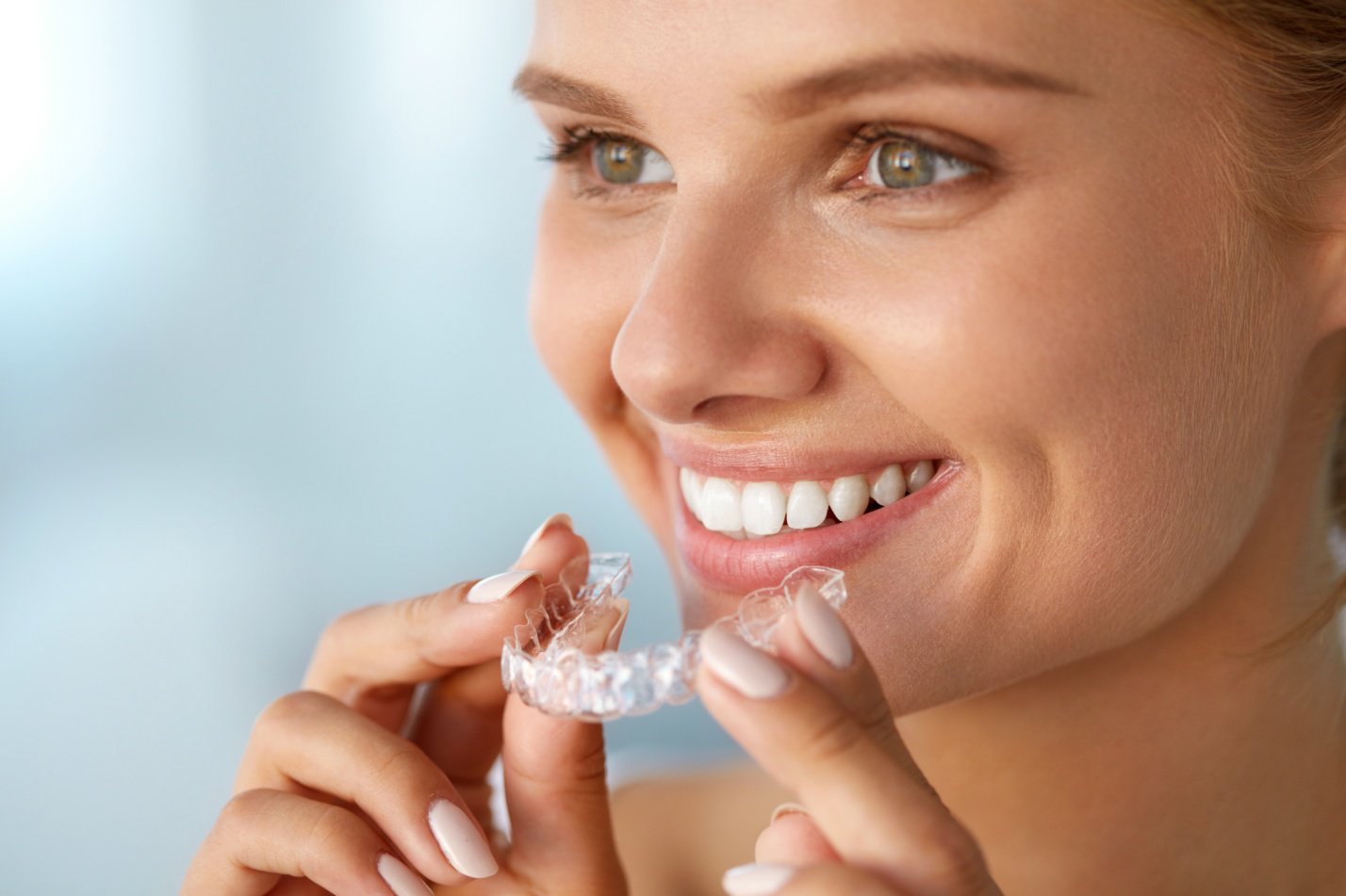
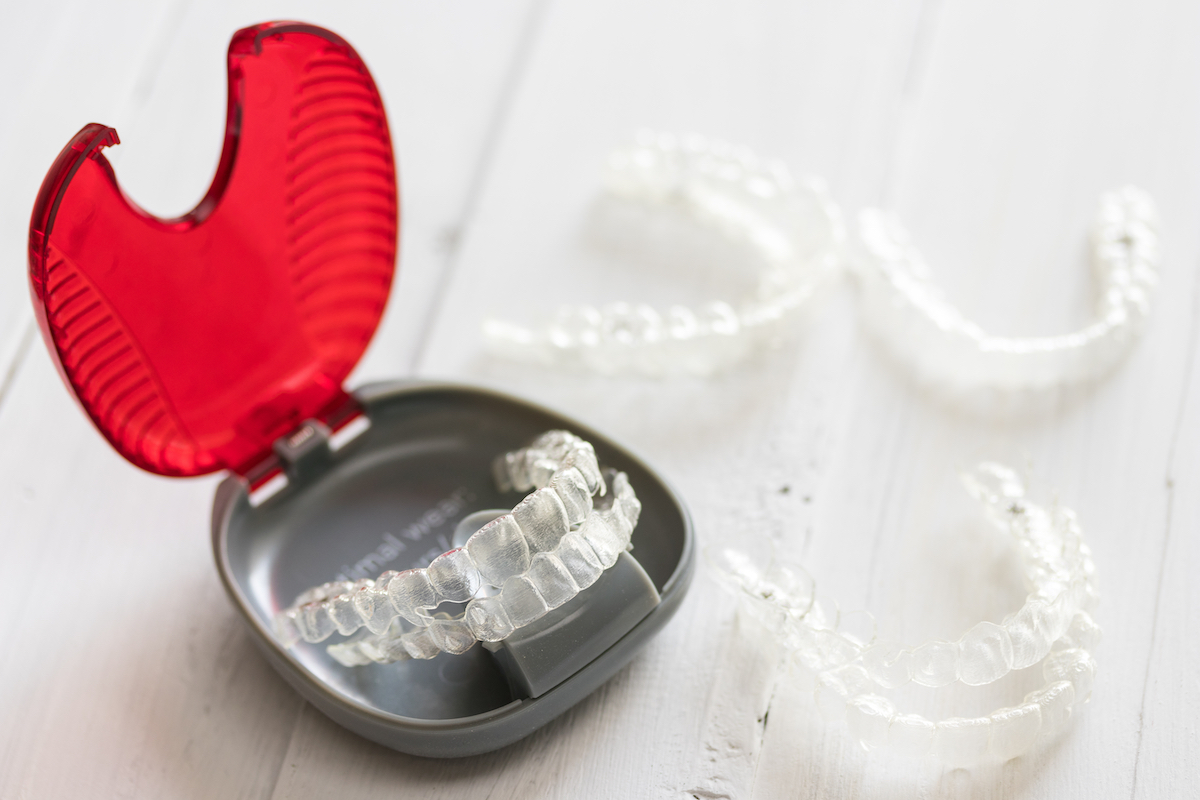
You will get a new aligner every two weeks, and this is how you will gradually straighten your teeth. Each week they will move a little more and by the end of your treatment you will be able to see just how much your smile has transformed. The aligner itself will fit snugly around your teeth for complete comfort. It is completely clear, allowing you to maintain your confidence whilst wearing it, as it will be barely noticeable which may well be something you have been worried about.

How long you will need to wear your aligners for in total will vary from patient to patient. Some people with more complex tooth problems will be expected to need more custom-made aligners to help their teeth move, so will wear them for longer. Someone with straighter teeth initially will need fewer aligners, and their teeth will not take as long to move into the desired position.

Is Invisalign expensive?

Invisalign in Weybridge is not normally covered by the NHS and can be relatively costly. The cost of treatment will vary from patient to patient as they will be required for different amounts of time, and this will affect the number of custom aligners needed to be made. If cost is something that you are worried about, then discuss this with your practitioner. They will be able to inform you of any monthly pay schemes that are running in their practice, or any offers that are going on. Your dentist is there to support you throughout the whole process, as they want you to be smiling too.

Wisdom Teeth

Wisdom teeth are the third set of molars that erupt from the back of the mouth and can be the cause of great discomfort and disruption. A wisdom tooth that does not fully erupt is known as an impacted wisdom tooth, and can carry a variety of issues. Impacted wisdom teeth are extremely common and quite often occur in teenage years or early twenties. Wisdom teeth are thought to be a remnant of our ancestors, who would have needed the teeth for their slightly larger jaws.

Tooth eruption

The cause of tooth eruption is still largely unknown, and continues to be the subject of research and debate. While the cause of tooth eruption is not known, it is known that wisdom teeth will erupt from the ages of 17-21, and mostly be fully formed at age 25. However, it is common for wisdom teeth to never fully emerge, and simply remain under the gums for life. This is not uncommon, and can be perfectly normal, but in some cases cause some issues if the tooth begins to shift.

Emergency Dentistry

Wisdom tooth eruption can often be painful, and disruptive to your lifestyle. If your wisdom tooth is extremely painful, it can also be a symptom of decay or gum infection, which can be dangerous to your oral health. If the wisdom tooth is too painful or proven to be ineffective or damaging to other teeth, then it can be removed. This can be under local or general anaesthetic, depending on your preference, however a dentist will be able to advise you on the best course of action. As this is a common issue, millions of wisdom teeth are removed annually.

 Hyperdontia

Hyperdontia can be a symptom of painful wisdom teeth. The issue of hyperdontia is caused when there are too many teeth, and the wisdom teeth may become crowded trying to push through the gums, which can cause an immense amount of pressure and discomfort in the mouth. In effect, an impacted wisdom tooth is a very similar form of condition and can cause issues with the alignment of the teeth, and produce painful symptoms.

Complications with wisdom tooth removal

There can be some issues surrounding the removal of a wisdom tooth. Dry socket is a common issue, where the socket fails to heal properly, and can leave the bone exposed, which can be extremely painful. It is caused when a blood clot in the socket fails to heal the wound or is lost, thereby exposing the jawbone.

Another issue that may arise from having a wisdom tooth removed, is damage to the trigeminal nerve, which may cause strange sensations in the mouth, such as tingling or numbness. It is not serious to your oral health, however with serious damage it could be a permanent condition. However, with proper extraction, this should be a relatively low risk, one that your dentist should discuss with you prior to your dental treatment.

Any surgical or invasive procedure carries risks. Before proceeding, you should seek a second opinion from an appropriately qualified health practitioner.

Straighter Teeth Have Never Been Easier

Over an incredible 80% of people believe that their teeth look unattractive in photos. This leads to many people not smiling, which can have devastating impact on their psychological well-being as well as their social lives, as they struggle to interact naturally with other people.

One of the leading reasons as to why people believe their teeth are unattractive is because they are misaligned. Crooked, cramped, crossing or gappy teeth are very common, but are not felt to be entirely attractive in today’s society.

There are many reasons as to why a person has crooked teeth, a lot of it to do with genetics, jaw size or habits as a child, such as prolonged use of a pacifier or thumb sucking. A misaligned jaw can also be the culprit and needs to be corrected, usually when a child has all of their adult teeth, but their bones have not set yet in their teenage years.

Other factors such as poor dental care, hygiene or injury can cause either baby teeth or adult teeth to grow crooked or misaligned. The reason it is so important to have straight teeth does not simply come down to pleasing aesthetics.

Eating, chewing and speaking correctly can be hindered by teeth and jaws that are not in the correct position. There can be extra pressure placed on certain teeth as well, which may result in wearing down of the enamel or in severe cases, cracking and breaking of the teeth.

Braces in Barnsley seek to provide patients with a chance to have the straight white teeth that they have always dreamed of having. These teeth do not only need to belong to movie stars, everyday people can enjoy having a smile that they are proud to share with the world.

By listening to the feedback of millions of people, innovative techniques are now in place which allow for a more comfortable and discreet way to straighten teeth. By wearing clear plastic trays that fit over the teeth and gently push them into position, both teenagers and adults alike can enjoy the benefits of having their teeth professionally straightened, but do not have to live with the normal restrictions that regular devices have.

These trays are removable, meaning that patients are able to eat any food they wish to without concern. They simply need to brush their teeth after they have eaten, to avoid having any food trapped in between the tray and their teeth, causing bad breath due to the build up of bacteria.

This bad bacteria also causes plaque and tartar if it is left too long, which leads to tooth decay and tooth loss. The point is to make teeth look more beautiful, not have them fall out!

These clear aligners are worn for two weeks at a time, then a new set is supplied that takes the patient one step closer to the smile of their dreams. By using innovative technology that is able to digitally scan the teeth and gums so that dentists can create a visual representation of the process, patients are able to see in real time what they can expect from the treatment.

By speaking with a professional about the vast options that are available, patients will learn that they will be joining the millions of happy people who have straightened their teeth with this system.

Why May I Need To Visit a Dentist in Richmond

Individuals may visit a dentist for a variety of reasons, it may be for emergency dentistry, such as a tooth being knocked out and a need for a dental implant, or simply for a routine check-up. Regular and routine dental check-ups are important for all members of the family. The teeth of children and adolescents, as well as teenagers, are constantly changing, and therefore require monitoring. Ageing teeth in older members of the family also need monitoring as an increase in age can invite dental and health problems.

Why is it important to visit the dentist regularly?

Although many visits to the dentist will lead to nothing, it is important to visit your local surgery in order to keep track of your dental health. It is recommended by dental professionals that we should visit the dentist every six months, poor dental hygiene can lead to a variety of problems; such as infection, and gum disease. As a consequence of gum disease, a variety of more severe complications can be implicated, such as heart disease, and even diabetes.

What can I expect from a visit to my local dentist?

Usually, a visit to your local surgery consists of two counterparts. The first would be a routine check-up or examination, and then a form of cleaning. During your check-up your dental professional will examine for cavities, and may even use an X-ray to do so. There may also be a check for plaque, which if left untreated can lead to tartar, this can lead to an array of oral diseases. Gum disease is checked by measuring the gap between the teeth, if the gap is deeper, there may be a chance of gum disease. A general examination will be done to check the colour of the gums, and for any signs of oral cancer. Scaling will then be done in order to remove tartar, as this cannot be done at home, although plaque can be removed with brushing and flossing. After your teeth have been scaled, they may be polished with a gritty paste, and then finished off with a floss.

What can I do at home to maintain my dental health?

In order to avoid any issues when you visit the dentist, there are steps you can take at home in order to avoid any oral issues. Maintaining oral hygiene is extremely important, brushing twice daily is key, preferably with a fluoride toothpaste. Mouthwash is another way of decreasing bacteria in the mouth, as well as maintaining fresh breath. Flossing is a way of removing plaque between the teeth and maintaining healthy gums.

Nervous patients

Patients may feel nervous to visit their local surgery for a variety of reasons. Some patients may have had a negative or traumatic experience as a child, which leads to a negative perception of the dentist, and some may simply have an irrational fear or phobia. Dental hygienists are fully aware of patients who experience anxiety and many have services to accommodate this, such as creating a calming environment, providing initial consultations and pain solutions.

How Do I Find a Dentist?

Dental practices are available everywhere. If you are in need of a dentist, then the best place to begin is a search engine. If you do not have access, then simply try asking around, asking family and friends. Another option is to ask your doctor, or GP for a recommendation, or ask your previous dentist if you are moving to a new area.

What to look for in a dentist.

There are many things to look for in a dentist, such as opening hours and the treatments that they offer. However, a patient/dentist relationship is extremely important, so we understand that you may want to research before you commit to a practice. The first step should be to assess the dentists at the practice you are considering, and research where each of them studied, and received their qualifications. This kind of information is usually available on a meet the team section on a website. For any further information, you should not hesitate to call the dental surgery and ask for details on their practice. If you are looking for a dentist in the UK, then it is also worth searching for a dentist that provides NHS care.

Further qualities to look for in a dental practice

A dentist practice should also be assessed in terms of its payment plans, and policy for missed appointments. A dentist that makes extra charges can become expensive, so you need to make sure that you know exactly how the payment processes work. Also, it is important to check which services are available on the NHS and which are not, so it is important to check on a website beforehand.

I need an emergency dentist, what should I do?

Most dental practices will offer an emergency dental service, which can be available to anyone who enters. However, not all dental practices will offer such a service, which is why it is important to have a trusted dental practice to hand, as they will be able to assist you as soon as possible, without any hassle.

Seeing inside the dental practice

Often, one of the most nerve-racking things is to approach a dental practice for the first time. We understand that you may be nervous about the dentist or concerned about how clean or tidy the practice is. Therefore, it is always best to locate your dentist first, to assess how far it is, and to get a look inside and a feel for it. Once inside, you can then book an appointment, or simply get to know the staff inside. Dentistry can be an invasive and uncomfortable experience, so it is best to get to know your practice, to remove as much discomfort as possible. Most dentists will be more than happy to get acquainted with new patients. Also, most sites nowadays will have a virtual tour experience, which allows you to see inside the practice from the comfort of your own home, so you know exactly what to expect.

Should You Be Asking Your Dentist in Liverpool About Braces?

Although having to wear orthodontic appliances in your mouth may seem like something that only children have to deal with to help their development, there are a surprising number of benefits to having them fitted as an adult.

A few of their unique advantages have been listed below for you to peruse over, hopefully they will help you decide whether you should have a chat with your dentist in Liverpool about trying them out.

Improves your smile

One of the biggest benefits to wearing these dental braces is they that help correct any misaligned or crooked teeth that you may have. This is managed by slowly exerting a gentle amount of force on your teeth to pull them into a more aesthetically pleasing position within your mouth.

These straightened teeth are then easy to clean, which helps keeps things like cavities, periodontal diseases, and other oral health issues like jawbone erosion at bay.

Helps improve speech

Another issue that can occur from having crooked teeth is that they can cause chronic speech issues. This can manifest in problems with certain words or phrases that your teeth physically prevent you from saying correctly. Or there may be a whistling noise when you speak in a certain way.

Having this appliance attached to your teeth can, in the long run, potentially help you get rid of these kinds of problems.

Consider Invisalign

If you’re still not sold on this procedure there’s also the option for Invisalign. Its function is basically the same as it realigns your teeth through the application of a gentle amount of force placed on them by wearing a see-through dental appliance over a set period of time.

However, where they differ is that Invisalign can be removed any time you like. Although it’s generally recommended that you keep them on for a minimum of 22 hours per day with removal only required for things like brushing your teeth, eating and cleaning the plastic appliance.

Cleaning it is also relatively easy. Just use a small amount of aligner cleaning solution and gently brush any stains away.

Aids in digestion


Your teeth can play an important role in your digestion. Having crooked teeth filled with gaps may cause problems as they’re not helping to break down food correctly before it enters the stomach. Which means your body spends a lot longer trying to work its way through your meal leaving you with that bloated feeling for longer after your meals.

Whereas having perfectly straightened teeth means anything that passes those pearly whites is broken down effectively and quickly before being absorbed by your stomach.

These are just a couple of benefits to wearing this dental gear. They can save you a lot of time and money spent in a dental practice, as well as provide all the lovely advantages mentioned above. If you’re still unsure whether you need them or not, why not ask your dentist on your next appointment.

How Do Dental Implants Stay Secure?

Dental implants will stay lodged into the bone potentially for a lifetime. This is because the bone will grow around the screw, holding it in place. The implant is also designed in a specific way in order to help bonding, with deep grooves and a roughened surface to aid adhesion. A crown is attached to the end to resemble the tooth.

The process

The process of a dental implant begins as follows. Firstly, an incision is made into the gum where the implant will be inserted, and the skin is pulled back to expose the bone. Secondly the bone is then drilled into at high speed, in order to ensure a perfect hole is made, avoiding burning, or damage to the rest of the bone. The hole is then expanded with a series of lower speed drills and kept cool with water and saline solution. Finally, the implant is inserted with a torque-controlled wrench, so as not to damage the bone. A healing process is then needed to allow the bone to grow into the implant. This will all be covered in an implant consultation.

How does the implant stay so secure?

Bones can grow extremely quickly, and the implants rely on this to be secured in place. The implants are also inserted with great precision, to ensure that they are in the perfect position, with information collected from CT scans and X-rays. If there is not enough space for the implant to sit, then you can receive treatment such as bone grafts from the chin or hip, or a sinus lift, to ensure that the implant has enough foundation to stay secure.

What are bisphosphonate drugs?

As the dental implant relies on the growth of the bone, then certain drugs can be administered in order to speed the process up. However, this kind of extra treatment requires special consideration. The drugs can cause many problems with the bone in the jaw, and can cause medication related osteonecrosis of the jaw, or MRONJ. This can cause can immense amount of pain and affect the outcome of the implants. While bisphosphonate drugs can speed up the dental implant process, they do not affect the success rate of the implant, and therefore are not widely used.

After I have had the dental implant, is there a chance they can fail?


With any medical procedure, or dental treatment, there is always a chance of failure, as every human body will react differently. There can be some factors which contribute to failure; however, failure of dental implants is rare. Dental practices such as High Dental Implants Melbourne have extremely experienced dentists to carry out such a procedure, so the risk of failure is greatly reduced. The best thing to do is to ask a dentist, and research online about whether dental implants are the best option for you. Any queries you may have will also be answered by your dentist prior to the treatment.

Any surgical or invasive procedure carries risks. Before proceeding, you should seek a second opinion from an appropriately qualified health practitioner.

Fixing Crooked Teeth

Teeth can become naturally crooked over time and is a very common issue amongst teenagers and adults. The main issue about crooked teeth is the aesthetics factor, in that teeth do not look as smooth and natural if they are not aligned. It can be important for many adults who may be looking to enhance their appearance or appear more professional in a working or client facing environment. However, there are many other negatives that can be caused by having crooked teeth, such as wear and tear or jaw problems later in life. Teeth that do not align are not functioning properly and will begin to cause problems, so it is important to see your dentist in Mackay as early as possible.


Fixed braces

The main form of braces are fixed braces. These are perhaps the most recognisable ones, with the metal wires on the teeth. As a method of straightening the teeth, this method is perhaps the most effective. The braces are attached to each tooth with a special adhesive, and then tightened, pulling the teeth into alignment. Due to the speed and efficiency of fixed braces, your smile can be corrected in as little as six months.

Downsides to fixed braces

There is some discomfort that will follow the application of fixed braces to your teeth, but these can be relieved with painkillers in the short term, and will pass very quickly, as your teeth become adjusted. After the braces have been tightened, the teeth may ache again afterwards. Fixed braces may also cause some discomfort against the gums, but again, this will fade after a while. Another downside to this treatment is that fixed braces may not be the most unobtrusive option for adults and is often avoided purely for this reason. However, there are alternative options available.


Invisalign

One of the most common forms of braces is Invisalign. Invisalign is ideal for those who might be self-conscious about receiving fixed braces, and want an alternative option, or those who want to adjust their teeth for cosmetic purposes and may not be willing to commit to metal braces. Invisalign works by first producing a 3D projection of your teeth, and how they will look post treatment. A series of braces are then produced to be replaced every two weeks, to gradually adjust your teeth to fit the final brace. Each Invisalign brace is made from transparent material, so when you are wearing the brace, it will be extremely difficult to be seen by other people. Many people will not even notice you are receiving dental treatment, which is what makes this such a desirable option.

Another option, which is often available post treatment is a fixed retainer. Orthodontic relapse can cause the teeth to pull back to their original position. In this case, you will be fitted with a fixed retainer, which is essentially a small piece of wire that fits behind the teeth. This will ensure that your teeth remain in their corrected position, and your orthodontic treatment can be enjoyed.

Any surgical or invasive procedure carries risks. Before proceeding, you should seek a second opinion from an appropriately qualified practitioner.