Straight Teeth In a Matter of Months

Many patients wish that they could simply get your crooked or gapped smile sorted out without having to commit to all the extra bells and whistles that are not applicable to them

Many dentists have found that patients find it difficult to take time out of their busy working schedule to commit to all of the necessary dental appointments in order to obtain that smile that they have always dreamed of? Especially when the treatment can take two years or even longer.

Perhaps patients are hesitant to straighten your teeth as their professional image will not allow for traditional braces to be seen or worn. Even if it is for the greater good, the here and now is very important for any individual’s career and they simply cannot sacrifice everything for a goal to be achieved in a few years.

Or even, simply, almost half of UK adults are afraid of the dentist to some degree, so if there is another option out there, they are willing to look into it.

Clear Braces Direct in London can address all of these concerns that a patient has and more by introducing an effective streamlined process to straightening teeth.

It works with the busy working lifestyle of the average adult and allows their patients to see the results they are seeking without needing to attend multiple dental visits. A simple scan and the rest can be completed in the comfort of their own homes.

By eliminating the need for constant checkups, patients can benefit from a reduced cost as well, whilst enjoying the continua support that is always available through apps and online.


How does it work?

This treatment is best for those people who have mild to moderate contortions or misalignments for their teeth which does not need to continual examination and guidance from a professional. By taking the free eligibility test online, patients can see for themselves quickly whether they can look into this option further.

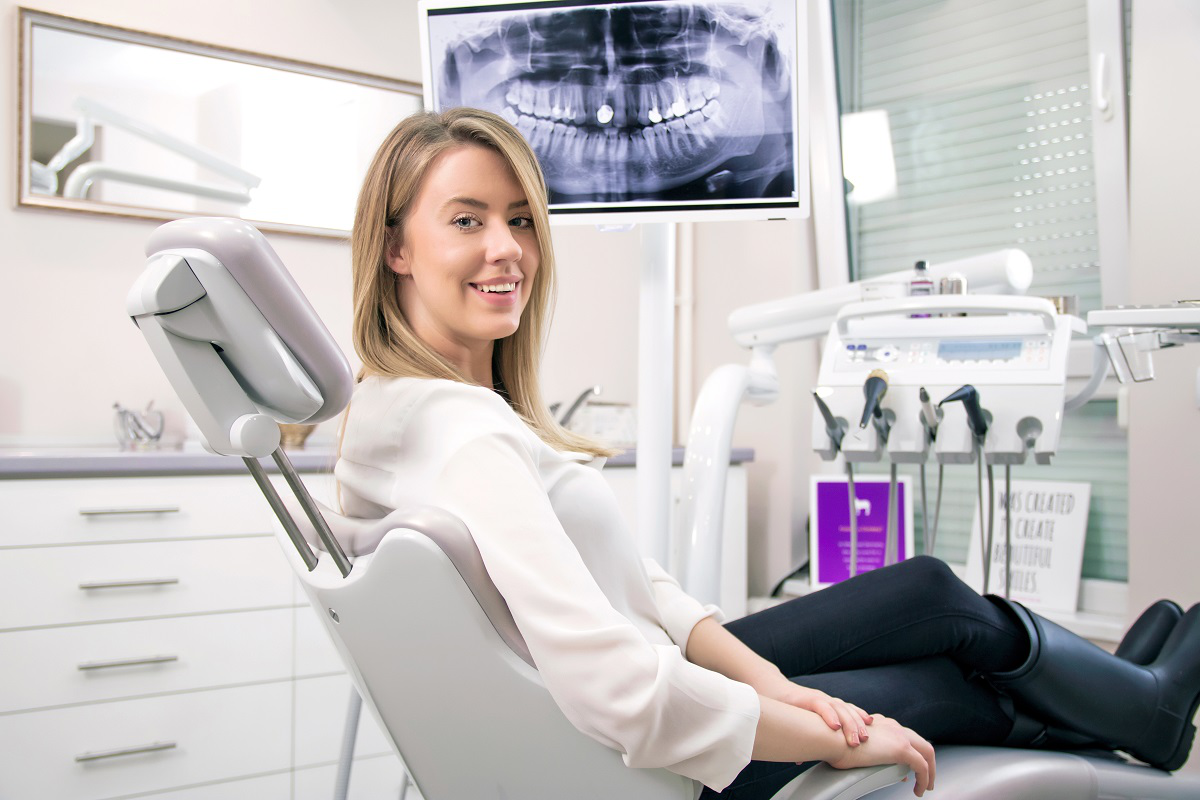
Should the eligibility test declare that they may well be suitable, then they are invited to attend a dental practice to have a scan. This scan gives dentists and laboratorians all the information that they need in order to digitally create a process in which to straighten their teeth once and for all.

Results and a proposed treatment plan is sent to the patient in the post, giving them the freedom to look through the findings and what they can expect should they commit to the plan at their own leisure. Should they agree with the treatment, then they can expect their first sets of aligners to be delivered to them in due course.

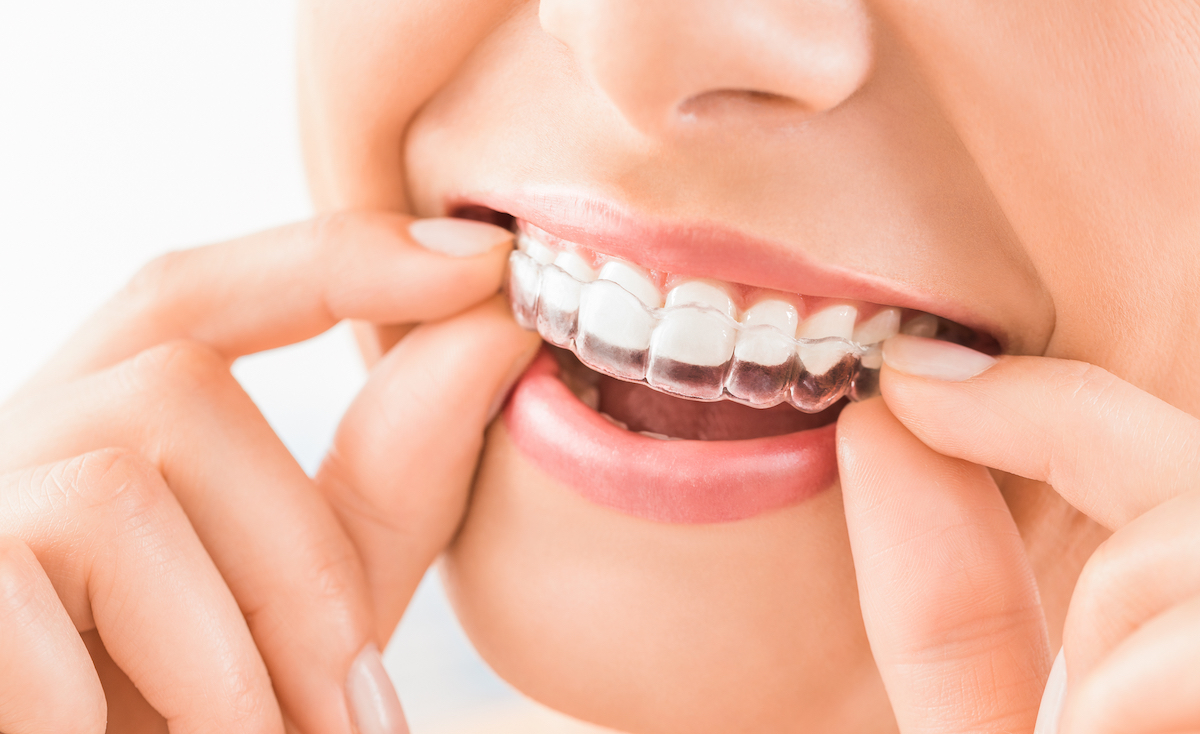
Aligners are clear, plastic trays that fit over teeth and once worn can hardly be seen when a person smiles. They need to be worn for a minimum of 20 hours a day for 2 weeks before moving on to the next set of aligners.

After several months, results can begin to be seen and patients can enjoy the journey towards a healthier, happier and more beautiful smile.

Are Missing Teeth Causing Embarrassment or Difficulty?

When a patient presents with missing teeth or having improperly fitting dentures, eating and chewing can become a real pain. As people begin to eat the foods they can eat rather than the food they should, they begin to suffer in many more ways due to a lack of nutrition in their body.

Interestingly enough, a poor diet can lead indirectly to poor oral health, so it begins a never ending cycle that can further perpetuate the problem, unless proactive steps are taken to reduce this risk.

The body is a holistic mechanism whereby everything is intimately linked in one way or another. Having missing teeth has been proven to have several negative impacts on the body and the brain that can thankfully be avoided if a patient opts to have dental implants in Cheltenham.

This procedure is an innovative way to allow the body to physically react as if the damage had never occurred. Nutrition does not have to be negatively affected as a patient can comfortably eat and chew with these implants in place. Bone loss in the jaw does not occur as the replacement tooth root stimulates the jawbone and sends the right signals for it to continue growth and repair.

By discussing with a dental professional the options that are available in an individual’s unique case, they are able to establish a bespoke treatment plan that allows the patient some freedom in their choices. This brilliant concept allows people to regain freedom in their lives to eat, chew and speak with confidence.


What is the difference between this procedure and a crown?

When talking about a tooth implant, people should imagine it as a replacement tooth root. It is essentially a titanium rod that is surgically inserted into the jawbone in a precise manner. Precision is key to maximum comfort and minimal healing time. By using innovative technology that is able to digitally pinpoint the ideal exact location of the titanium rod, dentists can confidently provide their patients with extremely high success and satisfaction rates.

The entire procedure should take a few months to heal as the jawbone naturally fuses with the titanium rod to create a strong and secure bond on which the crown can be placed.

The crown is the visible part of the tooth and sits on top of the metal implant. The crowns are made to exactly resemble a patient’s original tooth in shape, colour and size. It would be very difficult to tell the crown apart from natural teeth once the treatment is completed.

This procedure is permanent and the crowns are fixed into position. For people who would rather forget that they lost a tooth and wish to carry on with their lives without fear or concern about their appearance when they smile, or their ability to eat certain foods, then this is a great option for them.

Denture wearers do have the option to have their dentures secured by using four of these metal rods to stabilise their false teeth. This option does allow for patients to remove their dentures off from the implants so that they can clean their teeth in a manner they are used to.

A Completely Functional and Beautiful Smile Again

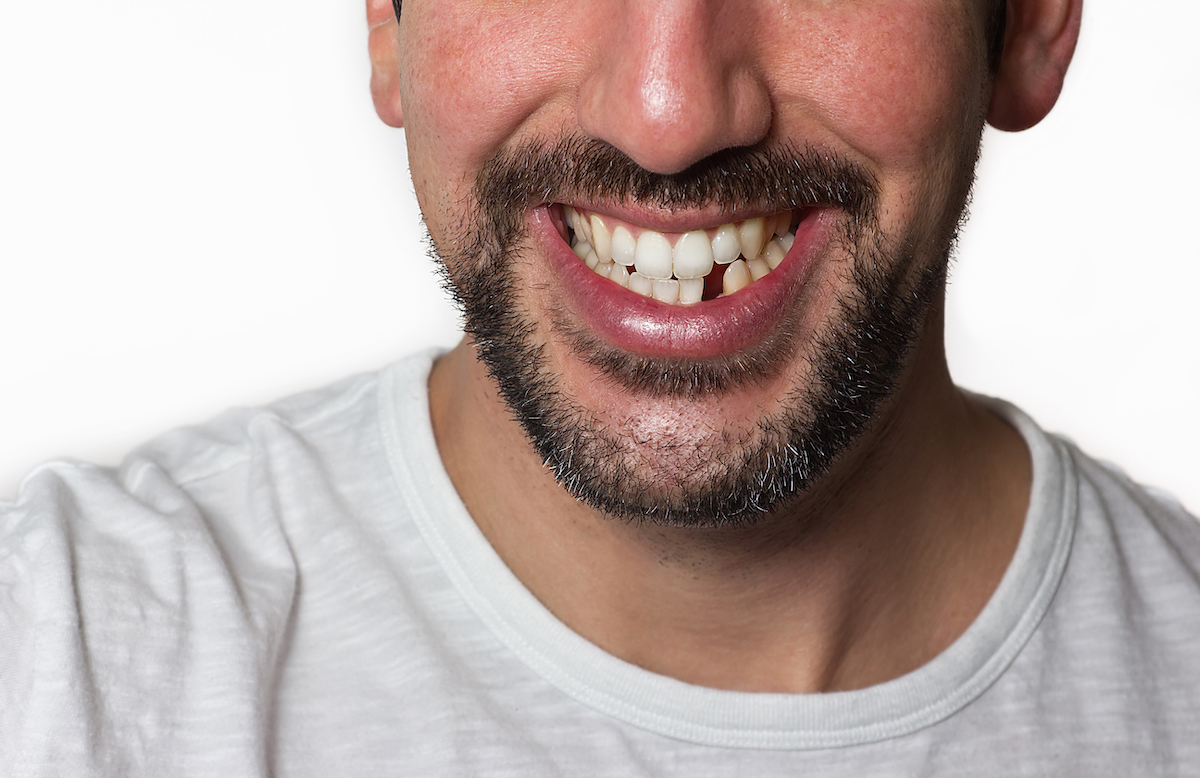
It can be difficult for a patient, both emotionally and physically, to lose a tooth. Gaps in a smile can be embarrassing and cause people to avoid social interactions and they may not wish to push themselves in social or business interactions. This can have devastating ramifications on their psyche.

It can also be physically damaging for a person to lose a tooth as they find that their eating habits and styles have to change in order to accommodate for this difference in themselves. The health of the surrounding teeth and gums are likely to decrease as they are further attacked by bacteria and risk of infection.

It can also be said that one’s nutritional needs can be impacted by a loss of a tooth or several teeth. What a person eats can begin to be led by what they can eat, rather than what they need to. Over time this can have a serious impact on the general health and well-being of an individual.

It is not an uncommon instance for people to lose their teeth, and sugar is linked to an increase in the need to remove teeth in people under 18. Dentists are taking proactive steps to react to this common problem in society and by continually providing innovative, preventive education, as well as placing time and research into optimal restorative care, their patients can continue to enjoy the full function of their teeth and mouths.

Dental implants in Bromley offer people who have lost a single tooth or many teeth the opportunity to have a completely functional and beautiful smile again. By providing a tailor-made service that recognises the desires and expectations of every individual, dentists are able to offer their patients a bespoke service that can have them smiling from ear to ear.


How does the general process work?

A tooth implant is best likened to a replacement tooth root. It is a metal rod that is screwed into the jawbone where it is left to fuse and create a strong bond with the bone and surrounding tissues.

Depending on the situation, a crown or bridge can be immediately attached or several weeks is left between the first appointment and the next, allowing the body the important time to heal and recover. A crown is created to mimic natural teeth in a realistic and functional way.

Dentists focus on the shape, size and colour of remaining teeth to ensure that the replacement tooth or teeth feel comfortable and look indistinguishable from other teeth. This immensely supports the individual’s self-esteem as well as the overall functioning of their mouth, by providing them with a complete and confident smile again.

By talking to a supportive, dedicated dental professional about the options that are available to them, patients are able to understand the implications and advantages of having this procedure done. With extremely high success and satisfaction rates, patients can rest assured they are doing the best they can for their smiles.

What Can New Dental Patients Expect During a Consultation?

It might be a little intimidating to arrange an appointment with a new dentist in Southgate. It may have been several years since a patient’s last consultation with a dentist and they have finally taken the plunge to face the music and get things sorted.

They may have had a bad experience with a dentist or a procedure and are seeking an environment that is more understanding, welcoming and accepting. There are numerous reasons why people are afraid of the dentist and they need to seek support to help them overcome these concerns. They even may have simply moved town and are looking for their new regular check-up team.

Whatever the reason, dentists see new patients all the time. The right dental practice is non-judgmental and understanding of all kinds of fears, concerns and queries. Their aim is to assist their patients in achieving the smile of their dreams. By providing them with informative preventive care, supportive restorative care and innovative cosmetic care, patients are made to feel more welcome, relaxed and comfortable with their dental professional.

Modern dental practices are adopting a new mentality that observes the holistic relationship that exists throughout the body. By acknowledging that the mouth is not a separate entity from the rest of the body, dentists are able to provide care to the entire well-being of the patient. This approach can recognise and understand the symptoms and causes of concerns that may otherwise be overlooked.

When patients themselves take control of their body and understand this holistic connection, their health and well-being can be better monitored and understood by the people who dedicate themselves to caring for their community,


What happens when a new patient visits a dentist?

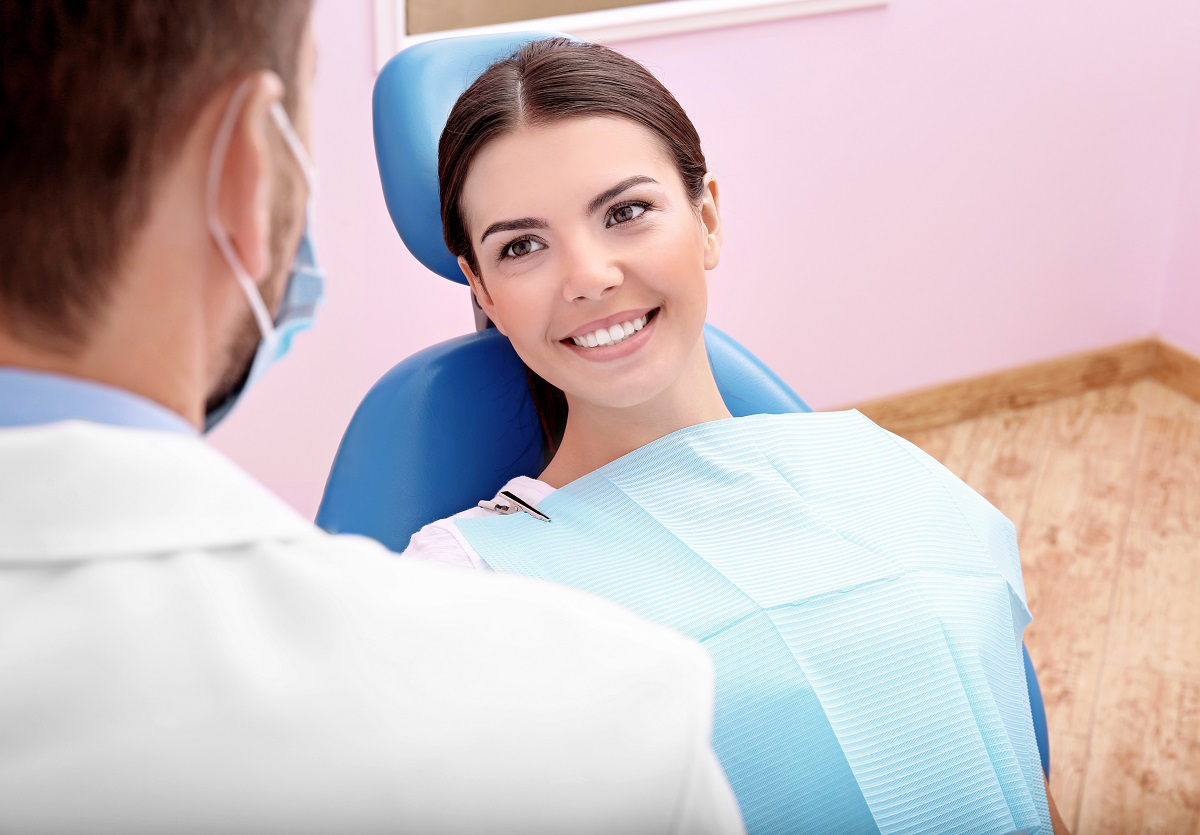
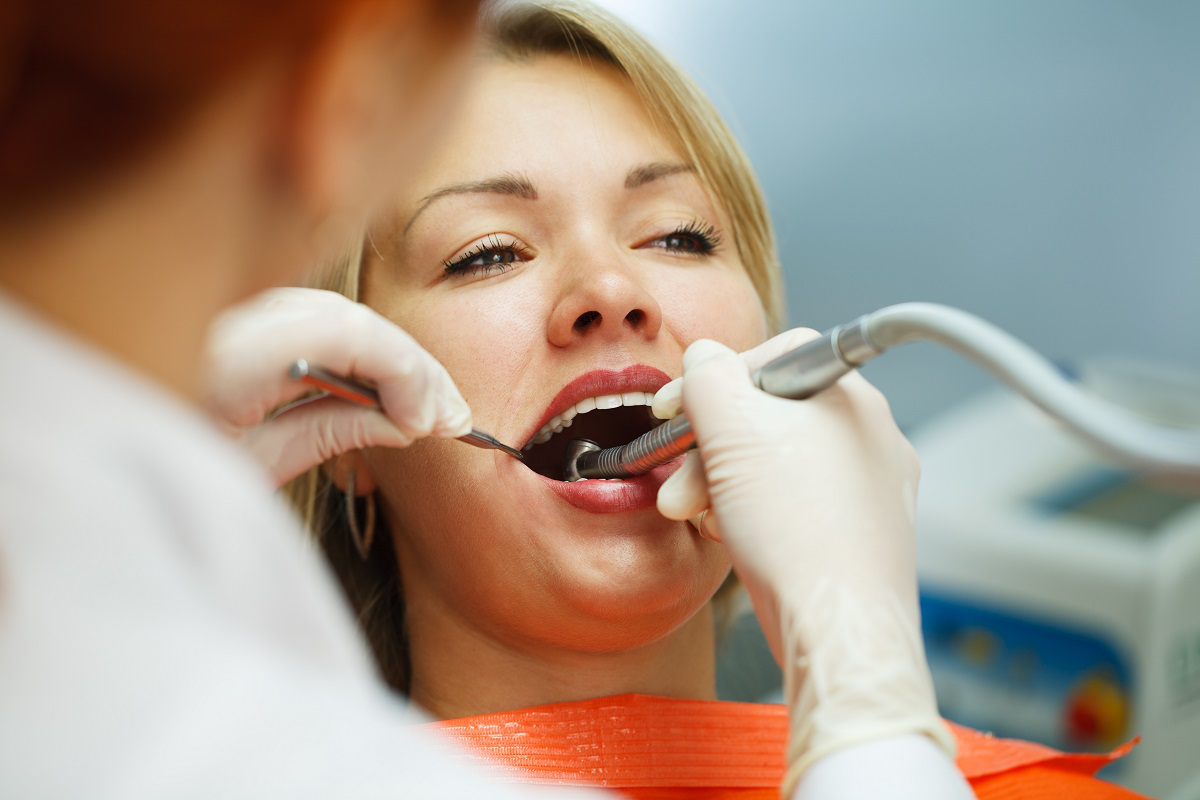
A 30-minute appointment with one of the dental team gives patients an opportunity to meet with their new dentist and to get to know them. The dentist will want to listen to their patient’s medical and dental history, as well as have the chance to understand current concerns and desires for their oral health.

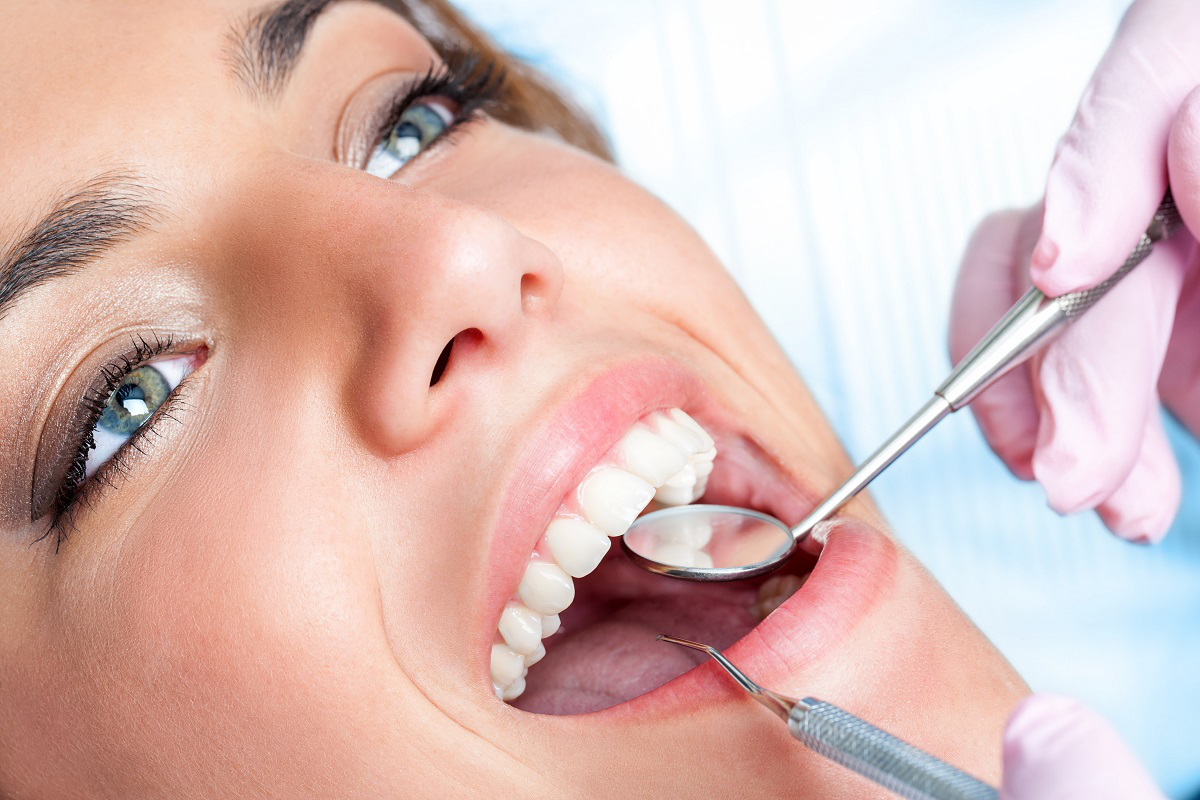
An intraoral and extraoral examination of the mouth will take place where an oral cancer screening can educate people on the early signs and ways to reduce the risk of oral cancer. Examination of the teeth and gums will also take place including placement of the teeth and the jaw, health of the teeth and gums and providing information on how to prevent further wear and tear.

A bespoke treatment plan can be arranged during this time as well, where dentists can recommend some treatment options that are suitable for their patient. When applicable, they will provide several options and explain the advantages and potential risks that are associated with each procedure so as to give their patient the opportunity to make an informed decision about which choice would be best for them.

Should a patient be hesitant or anxious about a procedure, they can rest assured knowing that their dentist is well experienced in helping their patients cope with dental fear. There are a range of options available that allow a patient to get through their procedure calmly and peacefully.

A Range Of Treatment Plans To Get On The Straight And Narrow

Having a healthy smile is more than just making sure teeth are brushed daily and checked over every so often by a dentist. When a person has crooked or cramped teeth, there are a whole range of negative complications that can arise because of them.

Due to patients not being able to access every part of each tooth as some are overlapping or crossing, food can get trapped in these places and cause bad breath, plaque build-up and decay. This can lead to a host of other complications if not professionally dealt with on a regular basis.

Should the concern be serious enough, patients may present with a misaligned bite, which needs to be dealt with so that the patient is able to speak, eat and chew correctly. They can experience severe pain in their jaw, wear down their teeth and have trouble eating if their bite is not aligned correctly.

By taking a look at the options of invisible braces in Clapham, patients can see what different treatments are available to them in order to allow them to have a healthier mouth. There are many different devices available and their dentist will provide them with the advantages and disadvantages of each option so that they can make the best decision for themselves.

Innovative technology has allowed for dentists to be able to provide their patients with a range of discreet and comfortable devices that they can use to quickly and effectively straighten their teeth and perfect their smile.

What are some of these devices available?


It all really depends on the condition of a person’s mouth as to what options will be available to them. A vast array of different designs has been created to specifically target common issues that people are presented with.

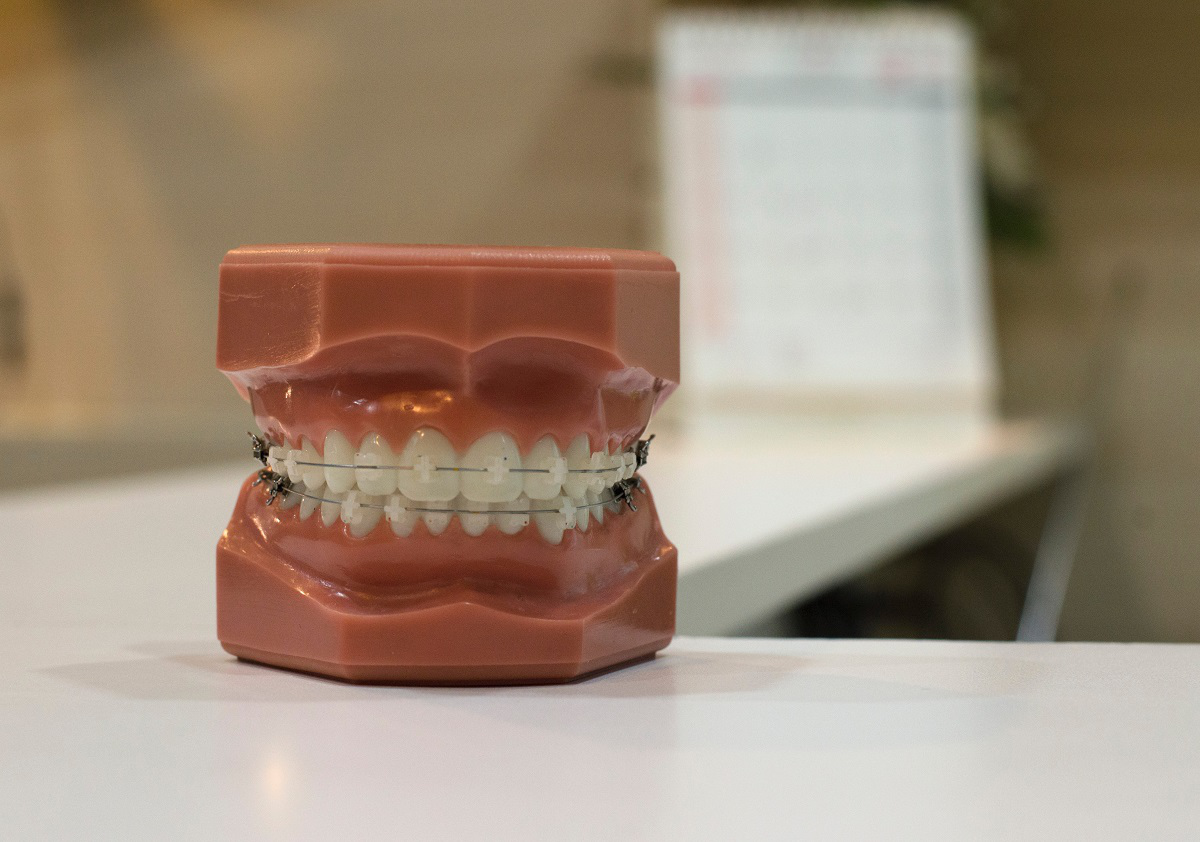
Traditional methods are still used frequently for people who have complex issues as dentists are given the control by manipulating teeth with the use of wires and brackets. Newer methods for discreet considerations have been put in place that allow for tooth coloured brackets and wires or the placement of them to be behind teeth so that they are not seen when a patient smiles.

Other kinds of devices that are frequently used are removable. These are limited to the kinds of conditions that they can treat but are perfect for minor misalignments in both teenagers and adults.

These removable and clear aligners need to be worn for more than 20 hours a day to be effective but can be taken out for eating which means that patients do not have to alter their lifestyle habits in order to receive the treatment. They simply need to brush their teeth before replacing the aligners in their mouth so that food does not get stuck on their teeth causing decay issues or bad breath. Food is usually washed away when drinking but cannot be when a person has trapped the food under the aligner.

Whatever option a patient chooses, the discreet options that are available appeal to both teenagers and adults alike. Now they can comfortably straighten their teeth without having to let everyone else know they are doing it as well.

Choosing Dental Implants in St. Johns Wood; The Benefits

If you are the kind of person who constantly worries about how your smile will look in photographs due to gaps, you may have thought about getting cosmetic work to improve your smile and confidence.

Oral implants are not a new concept, but due to increase in demand, they are becoming less expensive, with many dental surgeries now offering them to their patients.

As well as improving cosmetic appearance, implants can also help you correct other issues in your mouth which you may have due to loss of teeth.

Hundreds of patients are opting for implants each month across the UK, but the benefits are far more than aesthetic appearance.

Improved bite

One of the key issues with tooth loss is issues related to bite.

If you are missing teeth at the front of your mouth, you will be unable to grip food correctly. While this may not be an issue for softer foods, it prevents you from eating things like apples.

Also, if you are missing a few teeth at the front of your mouth, you may find that food frequently becomes stuck between teeth because of the gap- this can lead to a build-up of bacteria occurring which in turn, can cause issues like gum disease and gingivitis.

As dental implants are fitted to your jaw line with screws, they are completely secure, allowing you to eat all the foods you want without worrying about movement occurring.

Prevents bone loss

When your mouth is full of teeth, all your jawline is being used to help your teeth stay in place and remain healthy.

But when you lose a tooth or multiple teeth, that portion of your jawline is no longer being used and can shrink down, which causes bone loss in that area; when we don’t use a muscle, it wears away and the same is true for bones.

When implants are fitted, they promote the jawbone to regrow if it has shrunken away. This improves the appearance of your face as well, as you will no longer have a ‘shrunken’ look under your cheekbones.

Permanent

As obvious as it sounds, most people have had to go to their dentist because a filling has fallen out and needs to be replaced.

With oral implants, once they are fitted, they will never require replacing and will act just as well as your natural teeth, if not better.

Customised

Everyone in Hollywood has a similar smile; talk about boring. When oral implants are fitted, your mouth is measured and if you have any remaining teeth, the implants are matched perfectly to shape, size and colour, allowing them to fit in with your other teeth perfectly.

Choosing to undergo implants is a big step for most people. When searching for a dentist to perform the procedure, make sure they have experience and are happy to answer any questions you have.

After all it is your smile- you want it to gleam!

Crafting Smiles on Harley Street

Firmly rooted in the city

For over two hundred years, Harley Street in the centre of London has been synonymous with the highest standards of excellence in the fields of cosmetic dentistry and medicine. Initially emerging in 1816 as the place to be in the city for dental and medical work, the large scale Victorian townhouses of the district appealed to early practitioners, as they afforded them the space to house both their practices and lodgings within the same building. One of the most notable early residents who operated out of Harley Street in the early days was Florence Nightingale, who had a practice within the area around 1854. Through the ages, this area has catered to the needs of royals, celebrities, public figures and everyday people alike – and has earned its reputation tenfold as the place to go for a top-quality cosmetic dentistry in Harley Street.

Treatment through the ages

Some of the earliest examples of cosmetic dentistry date as far back as 700 BC, when the Etruscans made rudimentary dentures or replica teeth from ivory or bone. Other materials such as human or animal teeth were also used as early dental implants. Ancient Egyptians hammered sea shells into gaps in patients’ mouths to bridge gaps in their teeth, as well as using a primitive method of toothpaste consisting of ground pumice stone and vinegar to remove stains or discolouration from teeth. Throughout history the importance of having white teeth can be clearly seen through the efforts which were expended to achieve a whiter smile – which has always typically been an indication of good health, wealth and prosperity.

Afraid to smile?

Patients who suffer from superficial damage to their teeth, such as discolourations, stains or chips, can often find their self-esteem suffers as a result. A patient’s teeth form the bedrock of the structure of their face, and healthy teeth are essential to all aspects of healthy living. Teeth which are damaged or unsightly can result in a domino effect and patients can find all aspects of their work and social lives being negatively affected as a result. Nobody wants to have discoloured or damaged teeth, and those who do suffer from cosmetic dental issues can find their self-confidence knocked, and their willingness to smile affected. It is possible that this may have a damaging knock-on effect on their overall mental well-being. It is for this reason that there are a wide array of treatments available today to target superficial damage to teeth and provide patients with a healthier, whiter smile.

An array of treatments


Some of the cosmetic treatments offered which are available today to provide patients with a healthier smile include teeth whitening or bleaching, white fillings, porcelain veneers, dental implants, crowns and bridges, smile makeovers, gum lifts, cosmetic dentures and full-mouth rehabilitations. Treatments of this nature are all different in their methods, however they are all ways of achieving a more cohesive and healthier smile and target superficial damage, discolouration or signs of neglect to teeth. Treatment of this nature can be massively beneficial in helping patients smile fully, healthily and without fear of embarrassment by exposing discoloured, damaged or unsightly teeth.

Why You Should Try Dental Treatment in Hungary

Known as the birthplace of the Rubik’s cube, ballpoint pen and matches, Hungary is quickly becoming the world’s number one hotspot for dental implants abroad. Each year thousands make the journey to Budapest to soak up the sunshine, colourful culture and their steadily growing number of high-quality dental clinics.

So, if you’re looking to get some work done to make your smile look its absolute best, then here’s a few reasons as to why you should book a flight to Hungary instead of using your local practice.

Why Hungary?

One of the main reasons this lovely part of Eastern Europe has gained such a booming dental trade is that it’s located in the perfect place. It’s landlocked and surrounded by seven different nations with transport links directly to Budapest, so it’s relatively easy and quick to get there.

The other reason is that Hungary has the highest VAT in Europe, which causes Hungarian dental practices to offer significantly lower prices than anywhere else, which brings people in droves.

Benefits of dental implants abroad

As mentioned above, the price is one of the more unique selling points of having dentistry done in Eastern Europe, the other is the quality of the work. Most universities in Hungary provide dental training in several languages as well as the chance to work abroad to learn new skills. Which in turn means their dentists are better trained in their techniques as well as other languages.

Another benefit to signing yourself up for some dental work abroad is that various practices often provide free services for choosing them. These can come in the form of things like help with airport transfers, accommodation booking and the correct medical documentation. A few places even partner up with hotel chains to give you a discount on your stay.

How to find a dentist abroad


Finding a practice may seem like a difficult task, but there are numerous websites that can point you in the right way, you just need to keep a few key criteria in mind when making your choice.

For example, you should take into account things like how many years the dentist has been working for, what languages the staff speak, how easy is it to get to the clinic and what type of rates they offer on treatments.

A cursory Google search will usually answer most of these, but what will help the most is if you take some time to contact the practice. This enables you to get to know the staff and what services they offer, as well as helping to relax you about the long journey to the dentist chair ahead of you.

These are just a few reasons why you should consider going abroad for your dental treatments, so if you’re on the fence hopefully this gave you the nudge you needed. Hungary is a beautiful country with a welcoming people and it’s worth experiencing all that whilst you make your smile look its absolute best.

Who can benefit from a wheelchair upgrade?

There are several situations when having a heavy wheelchair could worsen the condition of a person and lead to numerous complications and problems for the user. By taking advantage of the benefits that a lightweight wheelchair has to offer, these people are able to get back a freedom of movement that they may have thought was no longer possible.

A huge group of people who would find that these models of chairs are more beneficial to them would surely be the elderly. Senior citizens still love to enjoy quality of life, but with ageing comes illness and complications, which can mean that getting around like one used to can get difficult.

By providing those a little older with a wheelchair that is foldable, portable and convenient, they do not need to feel tied to a cumbersome chair. They are free to get up and walk around when they wish to. They do not need to avoid going anywhere as the chair can be folded away and stored in the boot of a car for convenience when it is needed.

By allowing a person to choose when they need the assistance of a chair rather than forcing the issue, they are able to exercise when they wish, rest when they need to and stay healthy.


What other benefits are there with these models?

As they are not heavy to handle, many users find that they have greater control over these wheelchairs meaning they can travel longer distances and manoeuvre in places that previously they might have thought twice about doing. A great opportunity for people who want to keep an active lifestyle, but are temporarily unable to, due to illness or injury, these chairs are a welcome addition to a normal life.

With the chair’s ability to be customised to a degree, people who have specific considerations or desires regarding the shape, style, height and width of their chair can get a model built specifically for them,

By simply discussing their desires with a retailer or a healthcare professional, customers can be pointed in the right direction and assisted every step of the way in customising their own wheelchair that is perfect for them.

Some people find that these chairs even though they are light, are manual and therefore can be tiring to move around all of the time. In these instances, it might be necessary for a person to have two wheelchairs for different occasions and terrains.


A lighter model is great for around the home or for quick trips to the shops. However, a heavier model that is designed more for sturdiness and with additional comfort can be used for longer excursions.

It is great to have a model in place that provides customers with an opportunity to quickly hop in and out of a chair. This maintains their independence and freedom as they do not need assistance to lift the chair or to store it away.

By customising some parts of the chairs to suit each potential user, adjustments to comfort, handling, and shape can make each wheelchair specifically adapted for every individual.

Banish Sore Joints With These Handy Hints

With age, many of us experience sore joints on occasion. If this happens once in a while, as a result of sleeping in an odd position or overdoing your exercise, then this really shouldn’t be anything to worry about. A little bed rest and perhaps a few ibuprofen should have you back on your feet within a day or two. But what if joint pain is becoming an ever more common part of your life?

Under these circumstances, you may be unfortunate enough to start feeling the early effects of arthritis. Remember that arthritis can strike at almost any age and most certainly isn’t just restricted to the elderly. Alternatively you may be suffering from another condition which has resulted in tender, swollen or sore joints.

Whatever the situation you’ll know the feeling of discomfort (or downright pain) and reduced mobility. But what can you do to resolve your joint problems?

In this article we’ll discuss some of the most effective solutions, which have been shown to work in numerous scientific investigations.

Change Your Diet

One of the most surprising discoveries made in recent years is that the food you eat can have an enormous impact on your joints. One compound in particular – known as arachidonic acid – has direct links to inflammation in the body. It is also present in very high amounts in some foods.

Studies have shown that eating a so-called “anti-inflammatory diet” or AID can significantly reduce both joint tenderness and swelling.

Seeing as inflammation is one of the most common causes of joint pain, be that from over-exercising or from conditions like rheumatoid arthritis, being able to naturally reduce this effect by changing your diet is an exciting possibility.

So what are the foods you should be avoiding to benefit your joints?

An interesting piece of research known as the “National Health and Nutrition Examination Survey” took place in 2005, and carefully collated the arachidonic acid levels of common western food stuffs. They found that the highest levels are found in chicken, closely followed by eggs. Other foods with high levels include fish, beef, pork and turkey, together with their derivatives such as burgers and sausages.

Broadly speaking, therefore, a diet that avoids animal-based foodstuffs is likely to be most effective for reducing your intake of arachidonic acid and, by extension, joint inflammation. If the idea of a vegan or vegetarian lifestyle doesn’t fill you with joy then at least consider cutting down on your meat consumption. This has the secondary benefit of being an environmentally-sound decision too, as meat is considered to rate very low on the scale of environmental friendliness.

Get Spicy

You might be surprised to learn that many of the spices we traditionally use in recipes also display anti-inflammatory properties when used correctly. Of the various options the following have some of the strongest scientific backing:

Turmeric

The active ingredient in turmeric is known as “curcumin”. Sadly, the curcumin content of most turmeric powder is quite low. Worse, the body struggles to absorb curcumin from the gut. Nutritionists have noted that combining curcumin with piperine – a constituent of black pepper – significantly improves your body’s ability to absorb and use curcumin.

Therefore, while there are plenty of articles that suggest adding more turmeric to your diet this is likely to have a very minimal benefit. Instead, look for a prepared supplement that has been specifically designed to offer high levels of curcumin combined with piperine.

Ginger

Ginger is another natural product which seems to help control chronic inflammation in the body. Unlike turmeric, plain old ginger root powder (dried ginger) can be used, so it can be easy to source from standard grocery stores. All the same, many people still opt to take ginger in supplement form, where the tablet or capsule can make it easier to consume.

Studies of giving ginger powder to those suffering from a range of joint problems – from rheumatoid arthritis and osteoarthritis – suggests that over 75% of people experience at least a degree of improvement as a result.

Chilli Pepper

The active ingredient in chilli peppers, which makes them so “hot” on the palette, is known as “capsaicin”. Unlike the two previous spices, however, capsaicin seems to be most effective when used topically, rather than when consumed in the diet.

A study in which a relatively weak ointment was used – just 0.025% capsaicin – reported that over half of participants experienced reductions in pain when it was applied to sore joints 3-4 times a day.

If there is a downside to the use of capsaicin it is the mild burning sensation that most people experience when first applying it. Interestingly, scientists believe that it is this very burning sensation that is actually having the positive benefit. Research has shown that the feeling of “heat” derived from topical chilli causes the nerves to “overfire”, running out of the chemical messengers that normally transmit sensations of pain. In doing so, capsaicin stops pain in its tracks.

Consume More Omega 3 Fats

We’ve already discussed the importance of reducing your arachidonic acid intake to help reduce joint swelling and inflammation, but there’s something else we can do too – and that’s to consume more omega 3 oils. Think of consuming these oils as rather like throwing water onto a fire; they soothe the inflammation.

The best source of omega 3 fats are oily fish like salmon and mackerel. Try to consume one or two portions of these fish per week. The reason that fish works so well is that it also contains a host of other vitamins and minerals which offer additional health benefits.

Of course, a rather quicker and easier alternative is to pick up some cod liver oil tablets from your local pharmacy or grocery store.

Lose Weight

Statistically speaking, it has been shown that people with a higher BMI are more likely to end up with arthritis, particularly in the hips, knees and ankles. This is hardly surprising, as such joints find themselves under additional strain when carrying around extra weight. Getting into shape and shedding any excess pounds can therefore be a highly beneficial practice.

If your joint discomfort is to be found elsewhere in the body – such as your fingers or wrists – then don’t assume that remaining overweight is perfectly safe. After all, you’re already starting to see the signs of arthritis. Now would therefore be the ideal time to start a calorie-controlled diet to minimize the chance of your condition spreading to other joints.

Apply Ice

Changing the heat of your joints can positively influence the discomfort you experience. Over the years both heat and cold have been variously recommended, so which is better in reality?

Research has shown that adding warmth – such as with a topical treatment or using a heated blanket – can be effective in many cases. However, this doesn’t apply to *all* cases. It seems that warmth is better for treating some joint conditions than others. Gout, as an example, tends not to respond as well to heat treatment as osteoarthritis might.

Interestingly, ice seems to have a positive impact on all major joint-related conditions. As a result, especially if you’re not sure of the medical reasoning behind your joint discomfort, using an ice-pack is likely to yield better results.

Keep Moving

When you’re suffering from sore joints it can be tempting to stop exercising unnecessarily. After all, why move around if it hurts? The answer is that while rest and elevation may benefit short-term discomfort, the impact can be rather different over the long-term. It seems that there really is a “use of lose it” principle when it comes to many joint conditions like arthritis.

Numerous studies have noted that encouraging low-impact activities like walking, gardening, swimming, aerobics or tai chi can all benefit the joints in many ways. This applies just as much for arthritis sufferers, with such activities helping to reduce inflammation.

Elsewhere, studies have examined whether building muscle can help in cases of arthritis. Broadly speaking the results have been very positive. Researchers have noted that ongoing resistance training programs designed to grow the muscles around a joint help to provide additional support. In essence, the additional muscle mass adds structural support, taking pressure off the joint itself.

While it is advisable to only undergo such a rigorous training program with full support from your doctor, it could be argued that just staying moderately active and combining this with a healthy diet is ideal for supporting muscle health. While you may want to avoid high protein foods like meat and eggs – to limit your arachidonic acid intake – whey protein powders can be a great way to aid muscle growth thanks to regular exercise.

Consider Glucosamine

According to Matt Durkin, head nutritionist as Simply Supplements, glucosamine is a sugar that represents an important structural element of the joints. Glucosamine has also been shown to influence the level of hyaluronic acid in your joints – the liquid that lubricates and cushions joints during motion. Unfortunately, levels of glucosamine can fall over time, either thanks to injury or natural ageing. In recent decades ever more people have started to take supplementary glucosamine as a way to top up their natural levels.

While the medical community is far from unanimous in its support of glucosamine, there is a growing body of research that illustrates the potential benefits. Studies have found, for example, that glucosamine can slow down joint degeneration and increase both speed and range of movement.

Perhaps most excitingly glucosamine is reportedly as potent as ibuprofen for pain relief for people suffering from joint conditions, but without the nasty potential side effects.  For these reasons a huge number of people opt to take a daily glucosamine supplement to keep their joints in good condition.

Conclusion

While it can be difficult to completely reverse sore joints, there are a host of different ways in the impact can be mitigated. Numerous studies, involving thousands of participants, have shown that a huge range of dietary and lifestyle changes can positively impact joints. All you need to do now is decide which of the many options you’ll try first.