Tips and advice for dental tourism

There are some things you should know if you are considering having dental treatments abroad. This type of decision requires careful planning and plenty of research to ensure that you are not only getting your money’s worth, but that you are having the procedure done at a reputable clinic. Prepare for your trip abroad with the following tips and advice.

Choosing your destination

Dental tourism is a global phenomenon, where people the world over are travelling across continents for the best and most affordable care they may not be able to get in their own countries of origin. Some of the most popular countries in which to receive dental procedures for a fraction of the cost include Indonesia, Turkey, the Philippines, Costa Rica, and Hungary. Budapest dental is worth mentioning, as it is known for its string of top clinics, highly skilled doctors, and beautiful cultural attractions.

Read online reviews

Dental tourism is fast becoming popular, but for all the success stories you hear, there are some less than positive ones. Avoid being the victim of inferior treatments by reading people’s testimonials and recommendations online. You will find that, for the most part, these reviews are honest and unbiased.

Additional tips about finding a dentist

Window shop for the best clinic, compare prices and read past patient testimonials. Check out their social media pages to gauge how the clinic engages with their followers.

Confirm appointments

It goes without saying that you should book your appointment in advance. At the same time, you should also confirm that you are having the procedure done before you travel across the world. Most dental clinics involved in dental tourism have call centres, so phone ahead of time.

Make sure you have booked off enough leave

Including the treatment time for the procedure and the recovery that follows, you need to plan for 7-10 working days, but this time may vary according to the type of treatment and the pace at which an individual recovers. The last thing that you want to do is to miss a flight because you need to stay longer than expected.

Take someone with you

If you have ever received major dental treatments in the past, you will know that many of them include anesthesia, where post-treatment you may feel drowsy and tired. Travelling solo to other countries for treatment is not recommended for the reason explained above. Bring along a travelling companion, because you may need looking after post-procedure. At the same time, exploring a country by yourself might not be as much fun as having someone to share it with.


Exploring the benefits of dental tourism
If organised correctly, you can enjoy affordable procedures that are significantly cheaper than the same treatments in England. However, if you find a Budapest dentist who is reputable, affordable does not have to mean inferior. Not only can you improve your smile without breaking the bank, but you will also get a holiday out of the experience.

Country recommendation: Hungary

Hungary’s capital city, Budapest, is a vibrant city in Europe that boasts a wide variety of tourist attractions. Not only that, but its prestigious medical school generates the country’s top dentists, so your teeth are in good hands.
The rise of dental tourism in Budapest

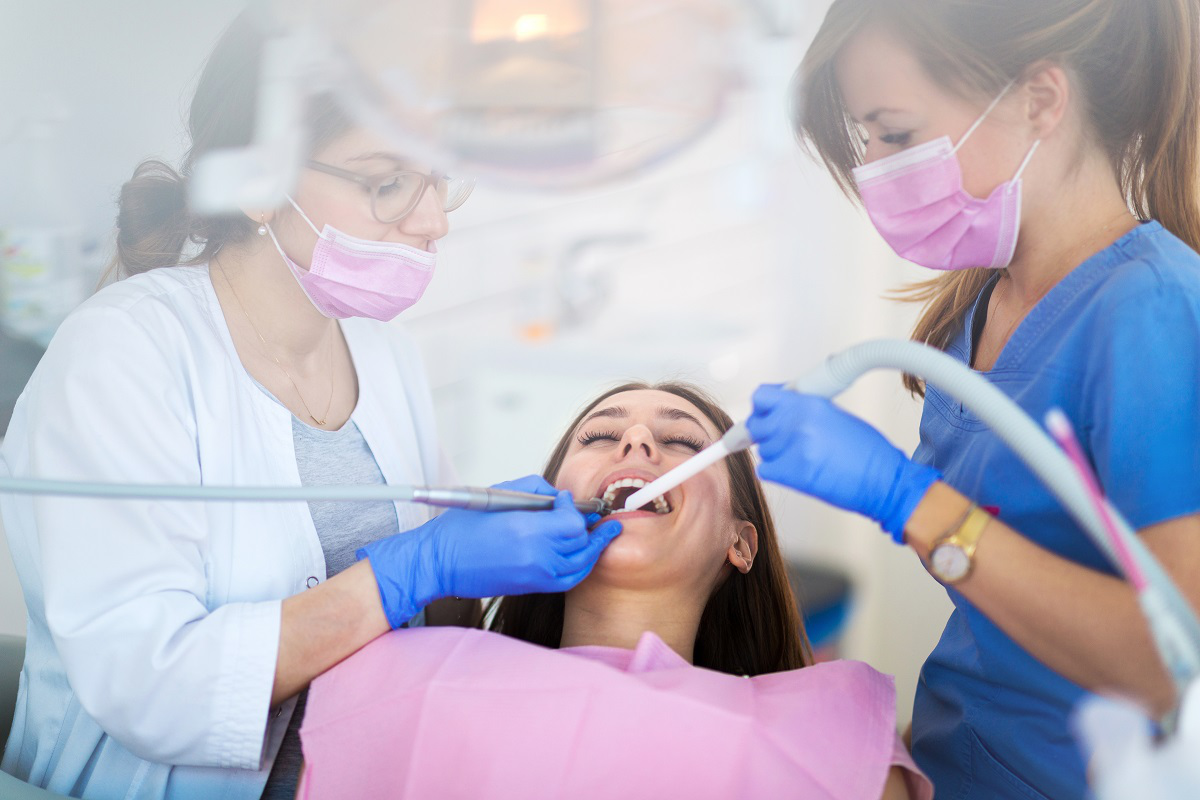
Budapest, famous for its art, music, fascinating history, unique architecture, and endless attractions, is also where scores of foreigners visit for smile makeovers. Dental tourism combines the thrills of visiting a foreign country with an affordable means to attain your dream smile with implants and other types of major restorative procedures.


Why have dental treatment in Hungary?

The alarmingly high cost of dental work in the UK has resulted in people turning to other countries for tooth-saving procedures. Hungary is one of those places.

British patients who receive medical treatment from reputable clinics are reported to save up to 70% when compared to UK prices, which can include personal expenses, such as flights and accommodation.


What is the catch?

There is no catch, but it is in your best interest to conduct thorough research on potential clinics, because you do not want to be the victim of sub-standard cosmetic work in a foreign country!

One of the primary reasons, though, that these dental procedures are available at a fraction of the price is due to the lower cost of living in Budapest, Hungary. Prices at various Budapest practices align with what locals can afford to pay, also accounting for the cheaper overheads of clinics.

You should expect to receive the best quality of care administered by qualified doctors, without being charged a small fortune. On top of providing top-notch service, superior quality products are used, that are on par with their western European counterparts.


What types of treatments are offered?

From replacing to fixing teeth, a wide variety of procedures can be performed overseas. Typically, though, people travel to Budapest for complicated or large operations that are unaffordable in their own countries, and not for minor procedures, such as routine check-ups or replacing a crown or two.

Dental implants, a life-changing but costly procedure in Britain, are obtainable, without having to compromise on quality, in the professional hands of an experienced and skilled Budapest dentist.


Affordable with fast results

Having to use their holiday time is regarded as a potential pitfall of dental tourism for some people. But there is a misconception that completing treatment coupled with recovery spans a couple of weeks or months, which could not be further from the truth.

Even the most complicated procedure is completed in five to seven days, including bone grafts and sinus augmentation surgery. You can look forward to a smile transformation without having to wait long.

As a safety measure, though, when it comes to leave, book two weeks off work.  Having to travel when you are still in recovery is not advisable or pleasant. Plus, in a buzzing city like Budapest, you will need time to see the best attractions.


What else should I know?

From booking dental appointments and accommodation to scheduling flights, there is a lot you need to arrange for your trip. It is possible to do this by yourself, but hiring a dental agency to do all of this for you might be better. More expensive it may be to use a middle-man, but these dental experts know the best dentists in the city. All you have to do is show up!

Signs you may need braces in St John’s Wood

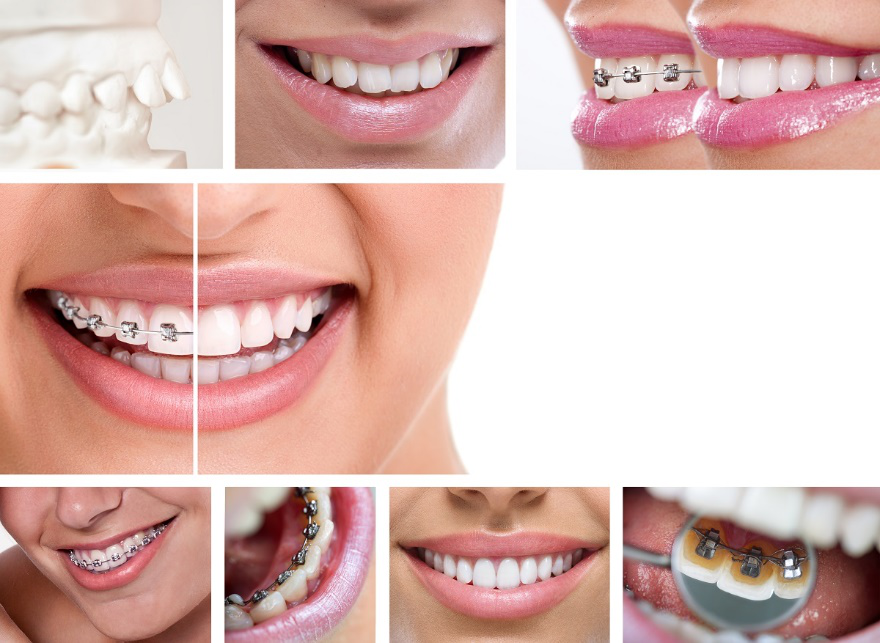
You’re never too old to be fitted for a dental brace. Even though it may seem like something primarily used for children, (because they’re still growing so it’s easier to shape their teeth), there are still some benefits to having an appointment for braces in a St John’s Wood practice as an adult.

Sadly some patients still miss out on the benefits of a brace because they are unaware that they even need one. So with that in mind, here are a few signs that you may need to book an appointment for help realigning some troublesome teeth.


Difficulty chewing

Perhaps one of the most noticeable signs that you may need to seek out an appointment for braces is if you’re having problems eating or chewing. This can be either from pain or if you’re struggling to break your food down properly.

Not breaking down your food due to poorly aligned teeth can cause all sorts of digestive issues, as your body takes longer and has to work harder to dissolve the larger chunks of food. So you may end up feeling bloated and full for longer or suffer from regular bouts of indigestion and acid reflux.


Teeth that look overcrowded or crooked

Although it may sound fairly obvious, some patients are still unaware of the dangers that crooked or crowded teeth pose if they aren’t realigned to a much straighter position. This is because they can create gaps and hard to reach places in between your teeth and gums, it’s much easier for tartar, plaque and bacteria to build up between these spaces. This then leaves you more susceptible to infection, inflammation and diseases such as gingivitis.


Problems with certain words or phrases

Another sign that you may be better off with a brace is if you have speech problems and are struggling to say certain words or phrases. This can manifest itself in tripping over vowels in words, lisping or a pronounced whistling sound when you speak.

Realigning your teeth should help diminish or potentially eliminate these issues over time.


Chronic jaw problems

When we bite into something our jaw exerts pressure over our teeth and if they are straight then this force is equally distributed across your mouth with no problem. But, if there are any crooked teeth then the pressure is unevenly placed in specific areas, which can lead to feelings of recurring pain, aches or popping and crackling noises when you eat or talk. You may also encounter cracks appearing in your teeth from the strain they’re being put under.


Over or under-bite

Everyone has a small over or underbite to an extent, but in cases where there’s an excessive amount of space between the lower or upper teeth, then a brace can help reshape this gap into a tighter and neater position.

These are just a few signs that you may need to see a dentist about realignment. If you’re experiencing any of these symptoms then contact your local dental practice to get on the path to a straighter smile.

A Picture Perfect Smile in a Flash

Veneers in Birmingham offer patients the chance to have the smile that they have always dreamed of, without having to undergo several different and potentially lengthy procedures.

The results of this treatment continue to be staggering, where patients can easily have a picture perfect smile full of even, white teeth. This procedure can be offered to anyone who feels they would benefit and in particular can perfect and beautify teeth in a way that would otherwise be unachievable under other circumstances.

From minor cosmetic alterations to strengthening weakened tooth enamel, these treatments can greatly improve the self-esteem and overall oral health of an individual which ultimately is the purpose and goal of a dedicated and professional dentist.


What exactly is this treatment?

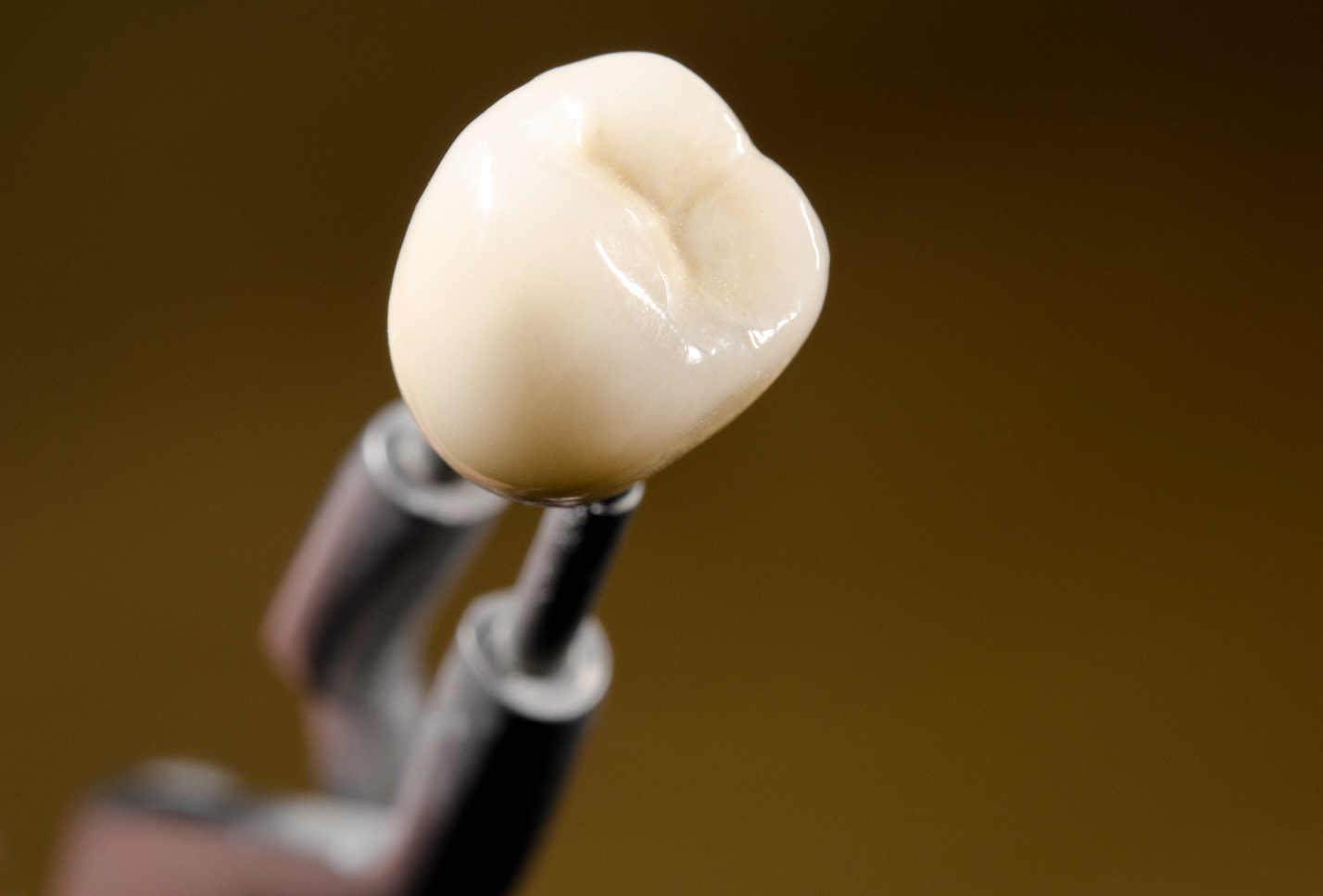
Otherwise known as dental porcelain laminates, they are a very durable yet very thin shell that is glued to the front surface of a patient’s teeth to improve the appearance of a smile. A smile makeover is a term coined for all of the visible teeth having these shells placed over the top and is commonly used in makeover reality TV shows or for a celebrity who has an immaculate smile.

In order to bond the shell to the teeth, a very thin layer of enamel needs to be taken away in order to roughen up the tooth for the cement to adhere properly. In most cases this has no negative impacts, however it is possible for tooth sensitivity to occur as a result of this.

Those individuals who have very thin enamel may find this, however this treatment is a successful solution to strengthening enamel that has become weakened due to excessive brushing or wear and tear.

How long does it take?

This is a very quick procedure, taking only a couple of sessions from consultation to a completed, successful smile enhancement. The initial consultation allows dentist and patient to discuss personal factors that are unique to the case. A dentist will explain the procedure in detail and allow any questions or concerns to be raised and allayed.

A patient is then able to choose the veneers they are interested in from a vast range of different sizes, shapes and colours. A dentist with their many years of experience can assist in this selection. It can be tempting to have immensely white teeth however on certain skin tones or due to other teeth that will not be covered, it sometimes looks too unrealistic to do this.


How long does it last?

It is important to understand that these shells do not last forever and can be chipped or broken just like a regular tooth. Certain bites can wear down these laminates faster than is expected, however with proper care, they should be able to last a patient for a decade or more.

This treatment is irreversible and this needs to be taken into account before a commitment is made. Patients will need to replace or repair a broken veneer quickly in order to maintain a level of oral health that is acceptable and beneficial for their well-being.

It is important for your child to visit their dental practice regularly

It is important to take your child to the dental practice regularly, so their teeth are well looked after from day one. There are several things that their dental practitioner will be able to help them with, should problems arise at a young age. Instilling good dental hygiene from childhood is important, as if your child is used to visiting their dentist in Richmond regularly these habits are more likely to continue in their adult lives.

It is recommended that you take your child for their first dental check-up when they get their first tooth. If they have not developed a tooth by their first birthday then you should still make an appointment with a dental practitioner to ensure that your child’s mouth is healthy. It is likely that your child’s dentist will recommend that they have a check-up at least twice a year, but this can vary depending on the condition of their mouth.


Helping your child maintain strong and healthy teeth

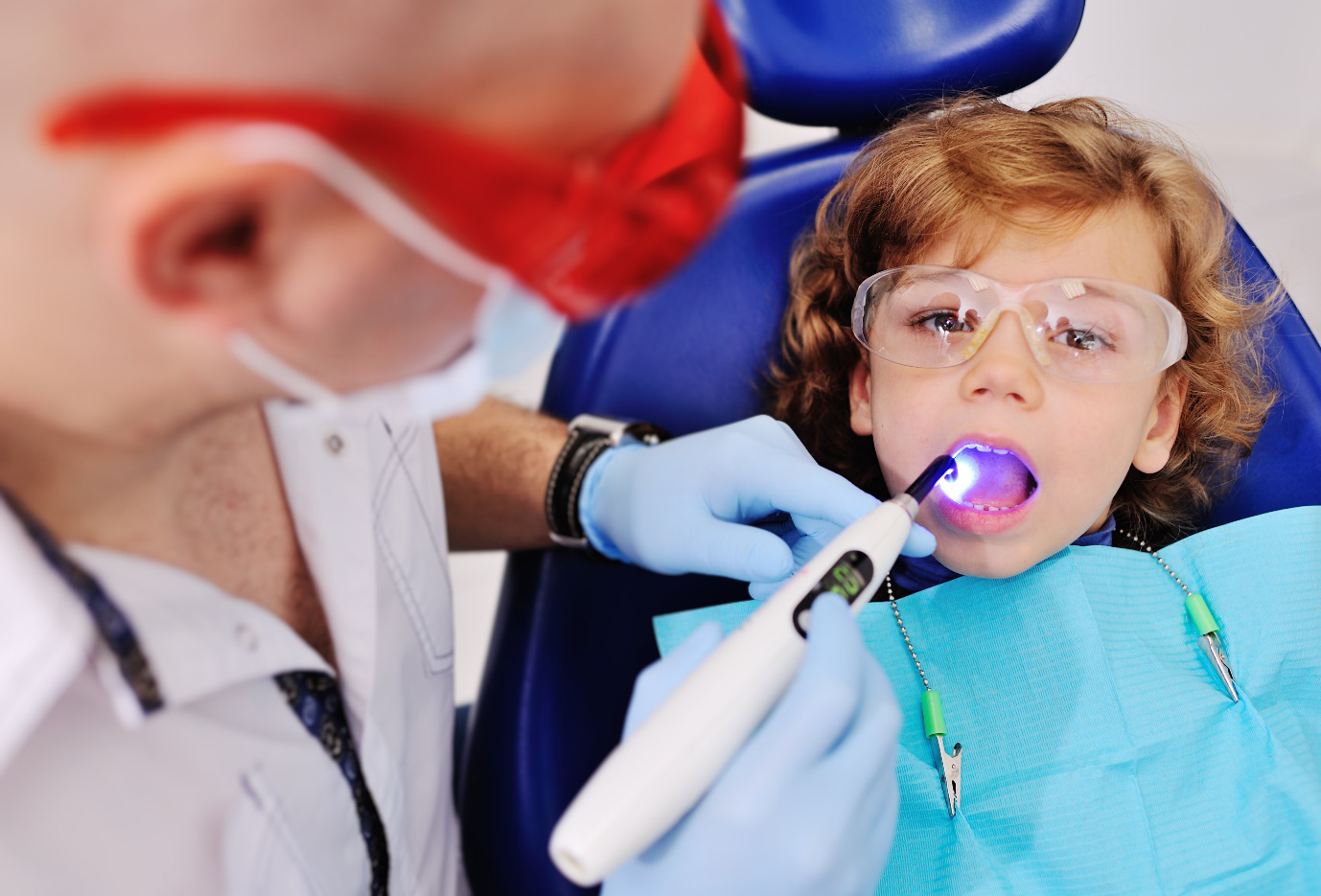
One treatment that is highly effective at helping to prevent tooth decay is fluoride application. It is normally recommended to children from the age of two onwards and is usually administered twice a year. Sometimes known as fluoride varnish, this treatment consists of a light-coloured yellow gel being painted onto your child’s teeth. It hardens quickly and combined with a good brushing regime will protect your child’s teeth from plaque build-up and tooth decay.

Are your child’s adult teeth coming through crooked?

Even if your child’s baby teeth are straight there is no guarantee that their adult teeth will be too. Sometimes as your child grows their bite will change, or their mouth might be too small for all of their adult teeth to come through straight. If you are worried about the crookedness of your child’s teeth, then it is easy for you to make a consultation appointment with their dental practitioner. They will be able to explain the corrective treatments that are available and which ones will be the most suitable when it comes to your child’s individual situation.

If your child has a crooked smile, then traditional braces are extremely popular and effective when it comes to adjusting the position of your child’s teeth. Attached to the surfaces of the teeth with brackets, they are capable of correcting even severe problems. The brackets are connected by a thin wire that will gradually be tightened over the course of their treatment. In some cases, your child will be able to pick out coloured bands and have them attached to the brackets of the braces, making them seem more appealing.

If you or your child wishes to have a more discreet type of treatment, Invisalign have a teen range that offers a completely different type of appliance. Your child will have images taken of their teeth and a series of custom-made aligners will be made for them out of completely clear plastic. They are completely removable so your child will be able to take them out when they are eating and brushing their teeth. To get the desired results you must make sure that your child is wearing their aligners for at least twenty-two hours of the day. The Invisalign teen range comes with a helpful blue indicator strip on each set of aligners, so you will be aware if your child is not wearing their appliance properly.

Preventing Stomach Problems Among Kids Is Much Easier Than You Think

“A healthy intestinal tract leads to a long life.” – Dr Minoru Shirota

According to the World Health Organization (WHO), stomach problems are among the leading causes of death in young children. In underdeveloped countries, the lack of proper nutrition is the leading cause of stomach problems, closely followed by an unclean environment.

However, in recent years, medical and technological developments have made it possible for children, including those from economically-challenged backgrounds, to fight serious stomach ailments. This is why a lot of schools and communities have programs designed to provide young children with probiotics.

What are Probiotics?

Probiotics are fundamentally good bacteria found in the intestinal tract. These are known to boost immunity. However, for children who do not eat regularly or are quite picky with food, such bacteria fail to thrive well. This makes children prone to tummy aches, diarrhoea, and constipation.

However, the regular consumption of probiotics can automatically increase the number of good bacteria in the body. The best sources of probiotics come in different forms.

Different Sources of Probiotics

In Asia, most people get their probiotics from fermented food and drinks like kimchi, kombucha, natto, and miso (which is used in all traditional Japanese restaurants serving these). Meanwhile, in Europe, the familiar sources are sauerkraut, pickles, tempeh, and kefir. But, all around the world, perhaps the most popular probiotic supplement is the yoghurt drink which children love.

The great thing about yoghurt drinks is that they’re affordable, and the little ones just need a small bottle every day for good health. However, because these are milk-based, some lactose-intolerant children cannot consume them.

Thankfully, there are so many other probiotic products to choose from. Some are tasteless, odourless, and colourless. Therefore, it’s easy to make picky children take these as a health maintenance solution or as a medicine against diarrhoea or constipation.

How to Make Kids Consume More Probiotics

Getting the little ones to eat or drink what’s good for them is not always easy, but with a few clever tricks, you can improve their health without them knowing it. Here are a few ideas you can try.

1. Turn yoghurt drinks into fruit smoothies.

Add a different layer of taste to yoghurt drinks by adding colourful fruits to them and blending them into smoothies. The drink will turn into a rich and frothy beverage, which a lot of young children gravitate to.

2. Create a yoghurt popsicle.

You can follow the same procedure for making a fruit smoothie for this one. However, prepare popsicle moulds and place the smoothie in the freezer to serve as a frozen snack for the little ones between meals.

3. Add a vial of colourless probiotic to your children’s water or other beverages.

The nutritional or health benefits of probiotics will not get compromised even if you add them to a glass of beverage. So, if your little one is wary about taking anything that looks like medicine, just add a vial or two of colourless probiotic to any drink your child has to consume. You can add this supplement or probiotic medicine for kids to lemonade, chocolate drink, and even tea.

4. Prepare kimchi pancakes.

Tone down the pungent smell and sour flavour of kimchi by turning it into pancakes. Slice the kimchi into small pieces and then add flour, green onions, seasoning, and a bit of water for a fluffy and yummy fried jeon (pancake).

Make sure to make the edges crispy because crispy kimchi pancake is actually a suitable replacement for regular potato chips. Or, you can just roll the kimchi batter into small balls, and the little ones can eat them like meatballs.

Bid Tummy Woes and Other Health Issues Goodbye

When your kids take probiotics regularly, you will notice that the occurrence of tummy issues gradually lessens. They’ll complain less about any discomfort and loose bowel movement.

But apart from better stomach health, you can also expect other health improvements such as an improvement in their skin condition. A healthier gut due to probiotics has been proven to prevent eczema flare-ups. There is less itchiness, flakiness, and redness of the skin.

A lot of people also report lower susceptibility to common illnesses such as cough and colds. This is because having more good bacteria in the system can also improve the body’s ability to absorb essential nutrients from the food eaten and supplements taken every day.

Meanwhile, parents of children diagnosed with ADHD claim that with a healthier gut, their children are less irritable and have a more agreeable mood overall.

To wrap it all up, if you want better health for your children, it’s never too early to introduce them to probiotics and make taking these a daily habit. However, do take the time to identify the types of probiotics that are most effective for them. This way, you can avoid unnecessary protestations.

How to Find The Best Implant Dentist

Opting for High Dental Implants Melbourne is a big decision to make, both personally and financially. If done right, you can look forward to a life unrestricted by your artificial tooth. But if the procedure is done by someone inexperienced or untrained, you could be putting yourself at unnecessary risk and losing money while doing so.

So what qualities and skills should you be looking for when deciding on a dentist to perform the procedure? 

Takes a specific kind of dentist

You should find a dental practitioner who is overqualified for the job, rather than underqualified and inexperienced. 

Typically, oral surgeons, periodontists or prosthodontists perform the procedure, but general dentists who have received additional post-graduate training for dental implants and administering anaesthesia are also recommended oral health providers. 

In a nutshell, you need a specialist who possesses an in-depth knowledge of this branch of dentistry who can provide you with top-notch care. 

Lowers the risk of complications

Choosing High Dental Implants Melbourne will have a significant impact on your life, so finding an implant dentist who performs these surgical procedures frequently if not daily is definitely in your best interests. The more experience they have, the less likely there are to be complications post-surgery. 

You might prefer a dentist that fits your budget better, but consider the reasons why he or she is offering the treatment at a lower price. The dental practitioner might have insufficient training, something you might want to take into consideration with this life-changing procedure. 

Have better quality tools and technology

An implant dentist is continuously searching for new equipment to not only make your experience of the surgery comfortable, but also to provide you with a prosthesis that is built to last, comprising of durable and hardy materials.

How do I find the right dentist?

There are a few ways to find an implant dentist who is right for you, who is not only highly trained but also compassionate and empathetic. Choosing dental implants is not a decision you make lightly, and so selecting a specialist who will understand your concerns and answer all of your questions is advised. 


  • Ask your friends


Ask friends who have undergone the procedure before you for unbiased referrals.  The dentist is likely to practise in your area, which is an additional bonus, considering you will not have to travel far post-surgery. 


  • Interview a few dental implant specialists. 


You should not opt for the first professional you meet. Contact a few dental practices in your area for free consultations. Ask the critical questions and gauge whether you feel comfortable enough with them to perform the procedure. 

You should not restrict your criteria to the specialist performing the implant surgery, but should also look around the dental practice – is it attractive, airy and seemingly hygienic? At the same time, are the tools and equipment used modern? 

High Dental Implants Melbourne can change your life for the better, with a professional who is highly trained, competent and qualified. Make sure to do extensive research before reaching your decision. 

Any surgical or invasive procedure carries risks. Before proceeding you should seek a second opinion from an appropriately qualified health practitioner.

How can I look younger without going under the knife?

Flawless and airbrushed models on the covers of magazines have resulted, for many people, in an obsession to look perfect.

That being said, ideals of beauty and perfection vary from person-to-person. For you, it might be losing a few pounds around your midriff or restoring a youthful glow to a wrinkled face.

If you are looking to rejuvenate your face without having to resort to painful and extreme measures, you might want to consider a non-surgical facelift in London.

Why non-surgical?

Despite the need to look younger and thinner, in this day and age, fewer people are considering surgery to change their looks and body shapes, but are instead opting for non-invasive alternatives. London non-surgical faceiifts are one way to look and feel years younger, without spending months in recovery or having to fork out a small fortune in order to afford treatment.

Choosing to not go under the knife also renders results that look natural and subtle. People who have not seen you in a while might think you have enjoyed a relaxing holiday or a spa day, not undergone an anti-ageing procedure, such as a non-surgical facelift in London.

What are my options?

For the best possible results, people often combine two or more treatments, which tend to include injectable fillers, ultrasound technology treatments called Ultherapy, or chemical peels.

What can I expect from dermal fillers?

If you are looking to remove wrinkles or unsightly scars, or add volume to your cheeks, lips or under your eyes, injectable fillers might be a suitable option for this kind of facial rejuvenation.

These fillers pose no severe health risks or lengthy downtime while restoring your youthful and vibrant appearance.

Are there treatments that do not require needles?

A fear of needles is common, so for some, having to undergo injections is a near-impossible feat. Luckily for them, there are needleless procedures that are effective in tightening and adding firmness to the skin, which includes chemical peels or derma-peels, as well as Ultherapy.

Chemical Peels

Simply put, acid, naturally produced by your body, is applied to your face to get rid of the top layers of your skin, to remove wrinkles, uneven skin tone and fine lines.

There are different levels to a peel, from a superficial to a deep peel. A superficial or mild peel is the most popular type because the side-effects are few and require minimal downtime. You might experience some temporary redness and flaky skin after the treatment.

On the other hand, a deep peel uses a higher concentration of acid to treat more serious skin issues, such as extensive sun damage and acne scarring. Factor in plenty of downtime, between 10 to 14 days, and stay out of the sun. After treatment, your face will be raw, red and require extra special attention.

Ultherapy  

If you hate your saggy chin and drooping brows, Ultherapy might be able to assist in creating age-defying skin.

Fight the effects of gravity by firming, tightening and uplifting your skin using ultrasound technology.

How it works

Collagen is an essential protein produced by the body that keeps it looking plump. We can thank collagen for our beautiful, glowing and firm skin.

However, as we grow older, we experience collagen loss, which is why our skin becomes less taut, more wrinkled and prone to sagging.

Ultrasound technology heats the targeted area in order to stimulate collagen and elasticate tissue.

Are you tired of looking and feeling haggard? A non-surgical facelift in London will reverse symptoms of old age – say goodbye to wrinkles, age spots and more!

Considering have oral implants fitted? Five of the most commonly asked questions about this procedure answered

When considering any kind of cosmetic procedure, it is always best to be well informed about what the treatment entails, any potential risks and of course, success rates along with recovery time.

With cosmetic dentistry, this is no different. While most people have a baseline knowledge of what to expect from facial aesthetics procedures, few are informed about what to anticipate from cosmetic dental work, which can lead to apprehension about the treatments.

One of the most popular types of cosmetic dental work in Australia, and indeed worldwide, is the oral implant; it provides a permanent alternative to dentures and eliminates the appearance of gaps in a smile. While it is easy to see why this treatment is so popular, when a person is considering dental implants in Sydney CBD, they may have reservations due to their general lack of knowledge.

However, there are more benefits than drawbacks regarding dental implants near Sydney CBD and the five most commonly asked questions from patients are answered below.

What are oral implants?

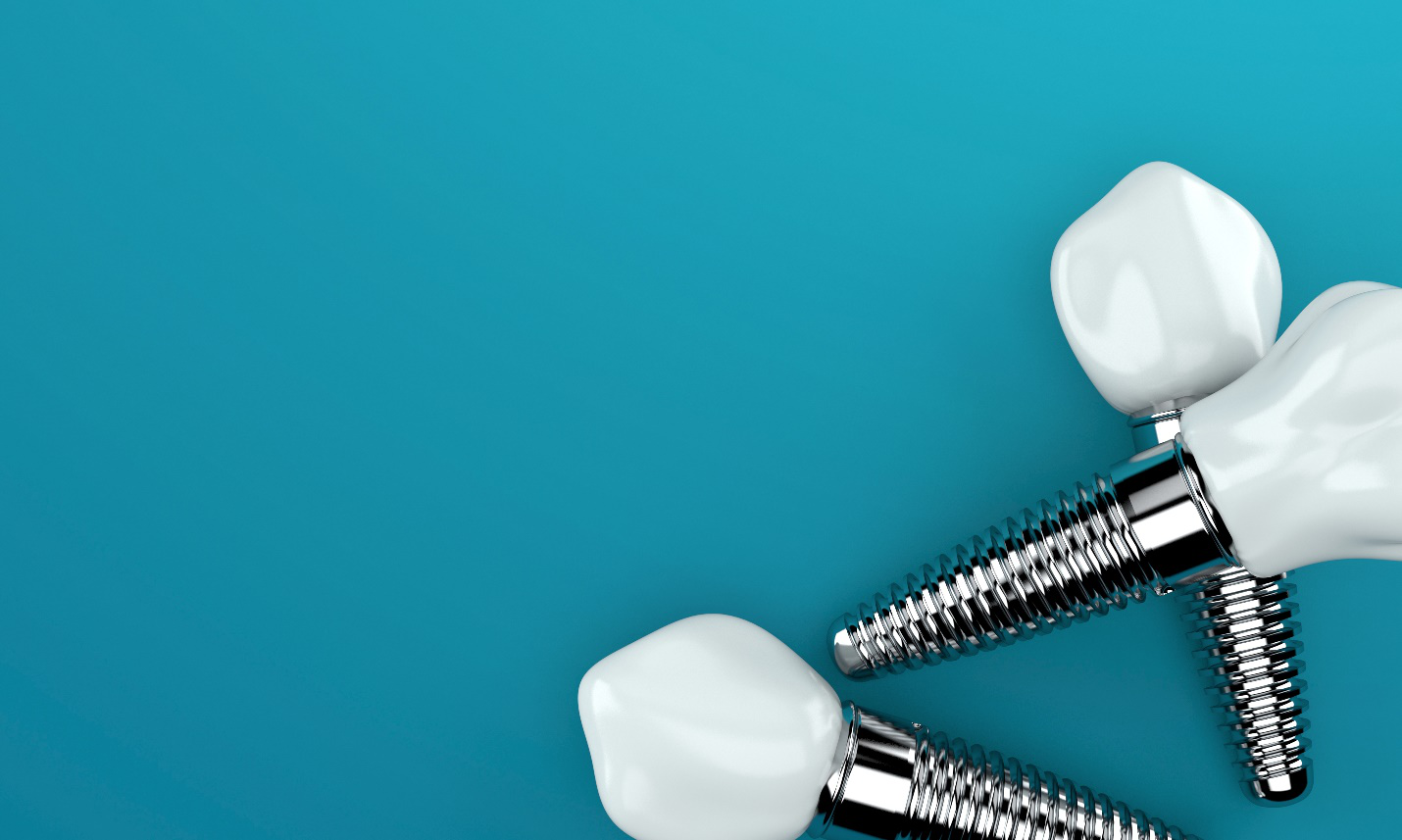
An oral implant is divided into two parts; the implant and the prosthesis.

The implant is a small, metal screw, which is fitted into the jawbone and requires a maximum of six months for the surrounding bone to grow around it, making the implant a success. Depending on the work required, up to eight implants can be fitted throughout the mouth.

The prosthesis is the visible part, the tooth or teeth, which the dentist attaches to the implant.

Will having them fitted hurt?

Individuals who have had implants fitted have reported minor discomfort after the procedure, but have compared it to having an oral extraction.

When the implant is being fitted, the area is numbed and the discomfort experienced afterwards should be manageable with over-the-counter painkillers. If there is excessive discomfort, a follow up appointment is required as soon as possible to explore the cause.

Can any dentist fit an implant?

Simply put, no.

Dentists who are specialised in fitting implants have had to undertake additional training and when looking for a specialist to fit an implant, try to make sure that they have at least ten years experience performing implant fittings.

This will boost the likelihood of the implants being a success and will minimise further complications.

Do they require any special care?

One of the most appealing parts of oral implants is that they require minimal specialist care.

Once fitted, just brush, floss, rinse and attend regular dental check-ups and there should be no issue.

However, it is important to remember that poor oral hygiene increases the likelihood of implants failing, so make sure a strict oral hygiene routine is adhered to.

How long will they last?

A correctly maintained and cared for set of implants and prosthetics can last up to forty years, if not longer.

This varies, however, depending on lifestyle choices, so if someone starts smoking or consuming lots of alcohol after having implants fitted, they are more likely to last about fifteen years on average.

Disclaimer

This article is intended to be informative only and not a substitute for professional medical advice. Any dental procedure carries potential risks. When deciding to undergo any dental procedure, seek advice from a qualified health practitioner.

The New Patient’s Journey

It is critical for every new patient to the dentist in W1 to feel welcomed to the dental practice in order to begin a positive journey towards a healthier smile, whatever their reason for being there.

Every patient has their own unique set of needs, desires, fears and concerns that need to be listened to, respected and responded to accordingly, in order for that patient to know that they are receiving the right kind of treatment for their oral health.

By having a professional team who are non-judgemental, dedicated and concerned about every patient’s oral health, self-esteem and anxieties, the experience can be a more relaxing and positive one. Dental fear is a very real experience and by giving patients tools to help them to cope with their anxieties, oral health care professionals allow their patients to deal with their fear in their own way and in their own time.

There are many reasons as to why a patient has chosen to move to a new practice. They should ensure a good beginning by asking around, checking reviews and making sure the establishment feels right for them. Perhaps they have moved because of studies or work and need to establish a new relationship with a dentist who can understand their smile and help them on the journey to keeping it clean, fresh and healthy.

Perhaps it has been several years since a dental visit for others and they are extremely embarrassed or nervous about the condition that their teeth and gums are in. Every compassionate dentist will be welcoming to a new patient and will focus on the here and now. There will be no judgement of past errors or the patient’s hesitation to come sooner.

What will happen at the initial consultation?


Information needs to be gathered and the initial consultation is a chance for the oral health care professional to glean as much as they possibly can about the overall health and well-being of their patients. They will take the time to speak with their patients and get to know them a little better. Their hopes and desires for their oral health will be considered as will their lifestyle, their habits and their willingness to make changes.

Medical and oral health history is very important as the body is intimately connected, meaning that certain health conditions can be affected by, or will affect oral health. This is why it is important not to leave any stone unturned. By speaking openly and honestly with their dentist, a greater understanding of the patient’s situation can be understood and in turn, this can allow for better care to be provided.

Scans and X-rays may be needed for a full examination of the mouth to take place. An external and internal examination will be carried out to ensure that the entire mouth is healthy and free from disease.

Towards the end of this initial consultation, a discussion can be had about what future treatment plans can be made in order to align the patient’s oral health and smile goals to reality. If there is a need for any kind of restorative treatments to take place, then recommendations will be based on this for the patient to consider.