How the dental industry came to be!

The local dental clinic did not just pop out of the ground fully formed. From the start of the dentist in Brentwood it was a long journey with many up and down’s. Pre-19th dentistry was more established than you might think. There has always been a pressing need as anyone with dental distress will tell you. A healthy set of teeth has always been prized; there was a compensation rate set across the Roman empire for those who knocked out the tooth of a free man.

The important changes of the 19 century were the increase in income of the general population, giving them access to high-sugar food and the disposable income to pay for dental treatment.

The work of ‘operators for the teeth’ as they were referred to, was a trade learned from a long apprenticeship, with no official license to practice. The result was a highly variable quality of care and competence. There was little recourse in the event of malpractice and even the length of the apprenticeship was totally up to the masters of the practices.

The first respectable institution to take dental education seriously was Guy’s hospital, starting intermittent lectures in the last few years of the 18th century. With the dental hospital of London and the National Dental Hospital founded in the 1850s, both provided private care for the wealthy but had integrated surgeries who would carry out free treatment for those in need.

In 1860 the Royal College of surgeons wrote the first Licentiatiates in Dental Surgery (LDS). This had no legal power but complying with the licentiates was a source of prestige when competing for wealthy patrons. LDS diplomas could be obtained by surgical colleges across Great Britain by the 1870s, showing that graduates had a grounding in all the basic techniques to practice.

The start of law and regulations in dentistry

None of the qualifications associated with the fledgeling industry was mandated, and qualified practitioners were a rare sight outside of Harley Street. The majority of people would see an apprentice but these days were numbered with the calling of the dental reform committee of 1870. The committee was charged by Parliament to write legislation on the practice of dentistry.

This formed The Dentists Act of 1878 which forced the adherence to the LDS and registration for practitioners to refer to themselves as dentists.

This did not have the desired effect. Rather than raising the quality of care, it divided it into two camps. The Dentist, fully qualified with an LDS surgery, who would provide a high-quality service for the rich and powerful minority, versus the ‘not-dentists’ who had gained their experience from apprenticeships, but were affordable and served the vast majority of the population. Generally, it was seen as a triumph and parliament saw no need for further legalisation.
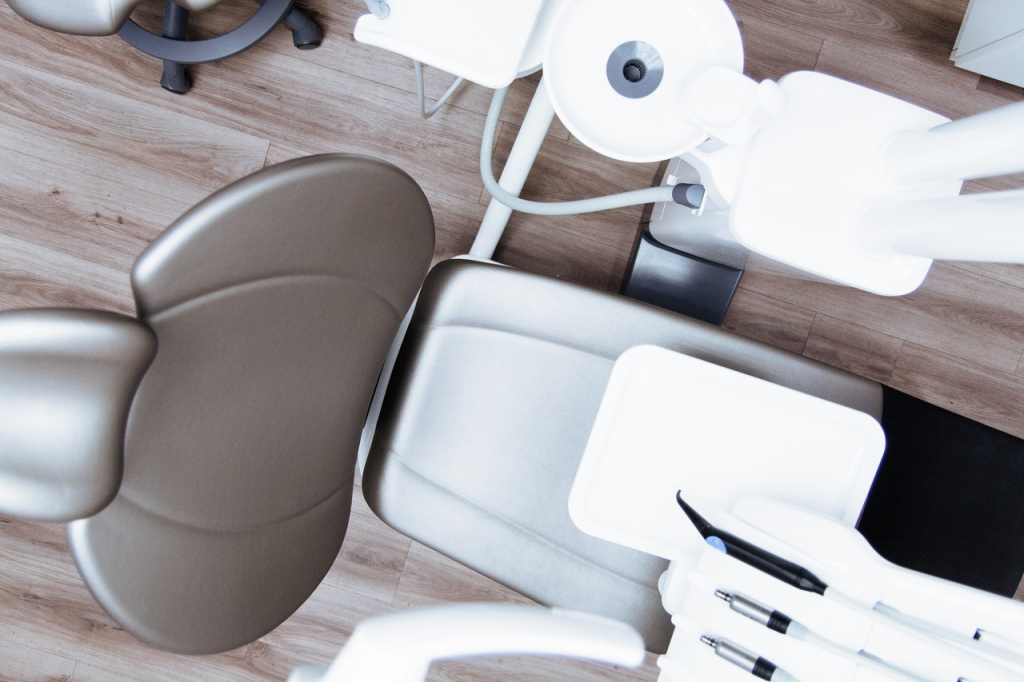
March of progress

Only after the first world war did the era of the un-qualified practise come to an end with The Dentists Act of 1921. Today, you can look up the license of any dental practitioner if you wish on the General Dental Council’s website.
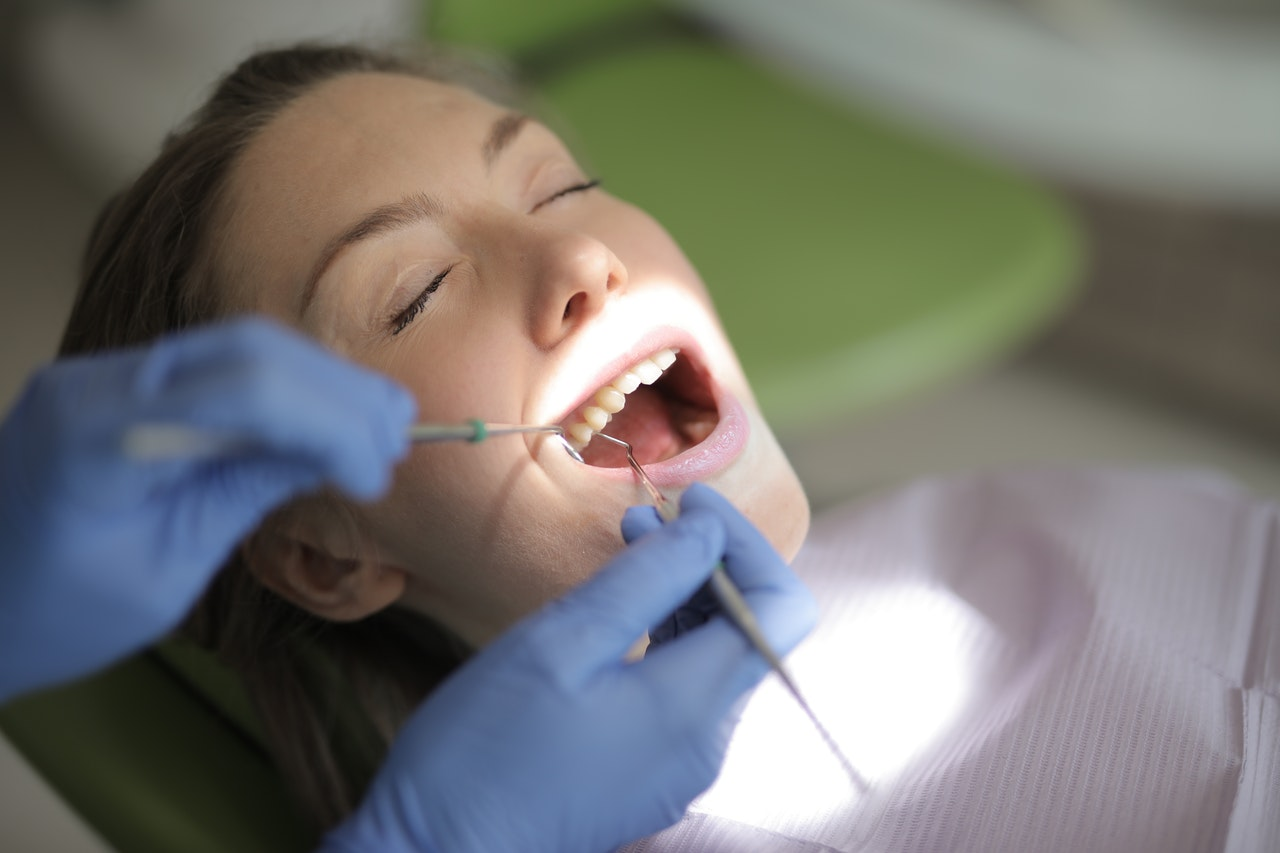
Invisible braces in 2020

2020 was the year dentistry went back to basics; the red tape around aerosol-forming activity has been intense, the tiny droplets generated from dental drilling could have a significant range, posing an infection risk to dental staff and other patients. With orthodontics considered a non-emergency procedure, many people are pursuing at home (via the post) solutions to orthodontic treatment; mostly being clear aligners.

How does at-home orthodontics work?

Well, it starts with a dental mould; you may have had one in your local clinic, if not it’s a bit like having a gum shield fitted. You’ll be sent a kit with detailed instructions on taking a mould of your own teeth with a return address. The service provider will make a plaster cast from that mould and scan it.

The scan will be digitally re-aligned by a medical professional and a set of models with gradual progression will be made from your current tooth position to the re-aligned position, like a flip-book of your orthodontic journey. From these, a set of clear aligners can be digitally formed and 3D printed. They are sent right to your front door in the post, with no breaching of social distancing even if you’re self-isolating.

The methods used at Clear Braces Direct in London involve attending an appointment for a mould to be taken or having an inter-oral scan. This eliminates the need for mould taking or any aerosol-forming work to be done.

How effective are aligners

The British Orthodontic Society BOS considers them to be effective for mild to moderate dental issues, including crowding and mild spacing. Where the dental arch requires expansion or tooth slenderising is required, this is best assessed by your dentist, who will happily inform you if clear aligners are suitable for you.

How long might treatment take?

The length of the course varies significantly between patients and would have to be assessed before a reasonable prediction could be made. You could complete treatment in 6 months but it may be longer. However, the initial results will be apparent after two weeks of continually wearing an aligner.

Aligners need to be worn as often as possible to be effective, throughout both the day and night. They’re very thin and close to the teeth therefore rarely obstruct normal talking. Although it is possible to eat and drink in aligners, with very hard foods you would risk damaging them and getting food caught under them, so removing your aligners to eat is highly recommended.

I already have braces or have had braces – could I switch to aligners?

Quite possibly, if your teeth have started to revert to there original positions after a brace has been removed, an aligner could help to correct that. If you’re still in braces, the options are either to use both to reduce your treatment time or switch entirely to an aligner. The option to switch would depend on the severity of your condition and how close you are to completing the brace part of treatment and moving on to a retainer.

What are ossified dental prosthetics?

A dental prosthetic is a false or artificial tooth or teeth. For it to be ossified, it must be fused to the jaw bone, anchoring it in place.

Today dental implants in Bromley and elsewhere are common. But the origin of dental prosthetics is very old, with ancient graves found with wooden or ivory false teeth, some of which have been very expertly carved. What is less well known is that attempts to ossify them into the jaw are almost as old. Findings like a skull of a Peloponnesian woman in her late thirties which had the front four lower incisors replaced with pieces of shell, which appeared to have been hammered into the jaw and then sculpted to shape!

Modern implants

The first of the modern implants are over a hundred years old; it was an iridium alloy peg which acted as an artificial root for the placement of a crown.

The big breakthrough was in the 1950s, with research being done in the USA on which metals were most appropriate for surgery. One of the metal rods being tested had a strange effect when placed in or next to living bone.

Osseointegration

Titanium had the strange effect of integrating itself into bone over time, with new bone-forming such a close association with the metal, it was described as integrated. From that point on, titanium would become the default surgical metal.

The anatomy of the implant

An implant consists of three components; the section below the gum line which is osseointegrated with the jaw bone called the implant. Above this is a connector, which sits at gum line level. To this is attached a dental prosthetic which could be an individual tooth, much like the first iridium based crowns. In fact, as many as four or five implants can be used to anchor and immobilize a set of dentures fixing them permanently into the mouth.

The connector was not used in earlier implants, forcing a dentist to extract the implant if the prosthetic became damaged or required replacing. But with connectors, it is relatively trivial to remove the prosthetic and replace it, leaving the titanium component undisturbed.

Popularity

Dental implants have been growing in popularity over the last decade or so due to the convenience and affluence of older populations. The relative obscurity of implants compared to dentures is due to the subtlety of the finished product. With implants often going unnoticed, the patients who receive them often prefer a natural appearance over a veneered Hollywood smile.

With this more dental clinics are investing in staff training and equipment to meet demand.

Maintenance of implants

After an integration process, up to six months dependent on the health and lifestyle of the patient, the maintenance of an implant is very similar to natural teeth; with regular brushing and standard checkups. Often, this is a big motivation in patients to pursue implants, as it is the closest option to their natural teeth and is therefore often considered restorative as opposed to cosmetic dentistry.

Could a dentist in Richmond be helping your smile?

Find your smile

During these testing and difficult times, it can be challenging to remember to smile. By approaching life with a smile – albeit mostly hidden under a facemask – your brain releases chemicals called serotonin, dopamine and endorphins. These combine, and can give you a feeling of elation and happiness.

That being said, there are a number of people up and down the country who struggle to smile in the face of life, because of one or more cosmetic dental problems standing in their way. Those who suffer from cosmetic dentistry concerns, such as stained or poorly coloured teeth, chips and breaks or large spaces, can often find themselves refraining from smiling out of embarrassment or fear of exposing their oral problems to the world.

Anyone who feels this way is fundamentally impeding on their own potential wellbeing and happiness – at a time when it is more crucial than ever. As such, those who feel that one or several cosmetic dental problems are impacting their daily lives should speak to their dentist Richmond about the cosmetic treatments which are available to them to get their smiles back.

Common cosmetic concerns

One of the most common cosmetic dental concerns which patients regularly voice to their local,  dentist, is having stained or discoloured teeth. There are numerous ways in which the enamel of your teeth can become less white or vibrant in colour, such as natural ageing, as well as lifestyle choices like smoking tobacco or drinking red wine. Having teeth which are stained or discoloured can have a negative impact on the self-confidence of a number of patients, but it is thankfully something which is easily treated through cosmetic whitening treatments.

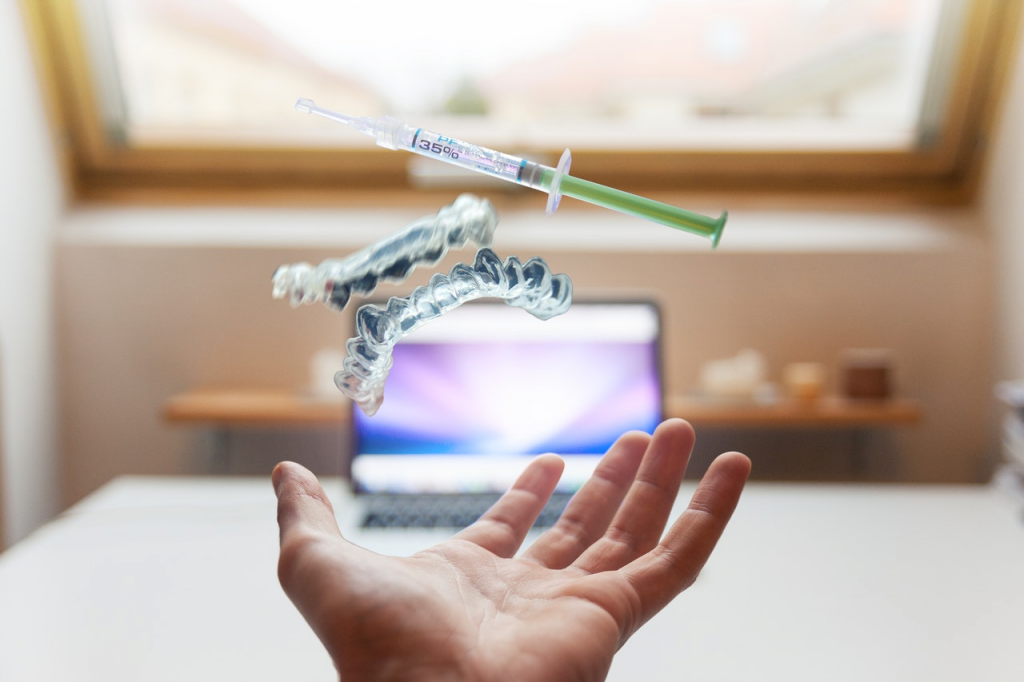
Typically there are two forms of cosmetic whitening which are available to patients in Richmond. The first of which is called ‘in-practice whitening’ and achieves almost instantaneous results through the application of a peroxide-based bleaching gel to the patient’s enamel in the dental practice. The second option is ‘at-home whitening’ which initially involves the creation of a unique mould in the dentist chair, before patients are given the tools (including a bleaching-gel) they need to carry out their treatment at home over the course of two or more weeks.

Dental implant treatment

Another common concern which patients regularly have about the aesthetics of their smile emanates from having untreated spaces or gaps within their mouths where one or more teeth are missing. Whilst treatments such as dentures and bridges are most regularly sought out in such instances, these treatments are not without their shortcomings as they are not permanent and often cause discomfort over time as the patient’s natural existing teeth gradually shift out of place.

Dental implant treatment is one of the most effective cosmetic dentistry solutions for those who suffer from missing teeth or gaps within their mouths, as they offer a permanent solution which not only solves the problem on a cosmetic basis, but also on a structural one. This is done by surgically embedding a false-tooth root made from a titanium-alloy metal. In doing this, the implant will become fused permanently within the patient’s jaw and bone tissue, and therefore can be used as an anchor-point onto which a denture can be sturdily fixed. Anybody who is looking to replace or fill in a gap within their teeth ought to speak to their dentist about dental implants and arrange a consultation to determine whether or not they could help.

Some types of dental treatments we offer

A new smile can be so important for our patient’s self-confidence, and we deliver an array of different treatments to try and help them achieve this. We will do the best we can to give you the most comfortable and happy experience possible.


Teeth whitening

Our dentists at St John’s Wood offer one of the most effective forms of teeth whitening, Enlighten. This involves you having an impression of your teeth taken in order to create a mould for your teeth. This takes a couple of weeks, and during this time, you will brush your teeth with the Enlighten toothpaste, which is made out of the same thing your enamel is, which will help improve the whitening of your teeth.

Once the two weeks are over, you will receive your custom bleaching trays and the home teeth whitening kit, this will include the gels needed to put into the tray. As well as still brushing your teeth twice a day with the specific toothpaste, you will whiten your teeth using the kit every night for two weeks. You will see that your teeth are a few shades brighter after this period is over.

Finally, you will have a 40-minute treatment with us to lighten the colour a bit more, as well as making sure the colour is even and looks natural.

Emergency Dentistry

When your teeth or gums are in a lot of pain, it is good to know that we have emergency dentists here in St John’s Wood to help as much as possible. The most common reasons for emergency dental appointments are:


Loose teeth

Unstable teeth can mean that there is a more serious dental issue at play, such as certain diseases and tooth decay. But you might have also knocked your tooth somehow if either of these is the case, it could be a good idea to have an emergency appointment to prevent further damage.


Toothache

If you are experiencing chronic tooth pain, it can be very debilitating, and can sometimes cause you to not be able to work or live your day to day life. Like the loose tooth, this could also mean that you have a more serious underlying dental problem.


Broken tooth

If you have chipped or broken your tooth, this can be painful when you chew on things or put pressure on the teeth. This can make it difficult to eat food and can lead to further oral diseases, so it would be recommended to get it seen as soon as possible.


Invisalign

Another popular dental treatment we offer is Invisalign, which straightens teeth and usually takes 6-12 months to complete depending on your oral health.

When you get Invisalign, you will be given a set of customised aligners which you will need to wear for at least 22 hours a day, it is made out of a soft, clear plastic material which looks very similar to your natural teeth. You will only need to visit our dentist every 6 weeks to ensure everything is going smoothly, so it will not impede on your schedule.

Looking for a dentist for your children? 5 things to enquire about during the search

When you have children, your world utterly changes.

Whether you have just added you first or your fifth child to your family unit, you will undoubtedly want to ensure that all of their needs are met. And, as many parents are aware, very few children are overly eager to attend a dental check-up, so it is important to choose this aspect of their healthcare wisely.

It is easy to assume that child based dental care and adult based dental care are the same, but they aren’t; children’s teeth generally have thinner enamel and are more prone to issues such as tooth decay. Of course, as ‘baby teeth’ are not permanent, they require a different level of care to ensure that when the adult teeth emerge, they are healthy.

But if you are new to looking for a Coorparoo family dental practice, what should you look for in a dentist? And, more importantly, what services should they be able to provide for your child? Read on to find out!


Fluoride

As mentioned before, children’s teeth have a thinner layer of enamel, which can lead to a higher incidence of tooth decay.

When searching for a family dental practice, ensure that the dentist is able to offer fluoride sealants. In layman’s terms, if your child’s dentist spots an early indication of decay, they should be able to offer the application of a fluoride sealant, which creates an invisible barrier between the tooth and any decay-causing bacteria. This will protect your child’s tooth against decay, without the need for fillings.


Brushing tips

While brushing your teeth comes naturally to adults, it can be tough for younger children to get the technique right.

When you and your partner choose a family dental practice, ask the child dentist if they are able to provide your child with brushing tips. This may involve the use of an oversized, resin tooth and a large toothbrush, but it should be a fun experience which is also educational.


Advice on diet

Every parent knows that children like sweets.

While all parents want to provide their children with a balanced, varied diet, visits from grandparents and other relatives can get your children chomping on chocolate more than you would like!

One way to choose a suitable dentist for your child is to enquire about how they offer dietary advice to your child and if, like the brushing technique, they make it fun!


Knowledge

While it may seem that all dental professionals are the same, it is important to choose one who has expertise in child based dentistry.

This will ensure that your child undergoes all of the required assessments (such as orthodontic) and has access to the most suited treatments, in a compassionate, fun setting.


Friendly!

Aim to make sure that the dentist you choose for your child is friendly!

Early childhood experiences of dentists with a poor chairside manner can have a lasting impact on your child’s perception of this health professional later in life, so choose them carefully!


DISCLAIMER

Any surgical or invasive procedure carries risks. Before proceeding you should seek a second opinion from an appropriately qualified health practitioner.

A vast range of options available

By choosing a dental practice that goes above and beyond the traditional options, patients can benefit from having the choice of some lesser known teeth straightening options, that might be better suited to their personal situation.

Orthodontics in Weybridge treats each individual in a bespoke manner, and looks at a combination of factors and considerations to help their patient come to the right decision as to how best to move forward and adjust their teeth and jaw in the right way, for the best looking and feeling results.

Treatment, for both issues earlier in life as well as for adults, is provided and can be performed with the use of surgery, fixed devices, removable devices or a combination of everything. Because each mouth is different, because needs and issues change with age and because everyone has their own lifestyle choices and expectations, no two treatments should ever be alike, but should create a truly bespoke oral health care experience.


What are some of the treatments available?

The treatments that may be used can include Clarity, Damon, functional appliances, Gemini, Incognito, Invisalign, Six Month Smiles, wire bonded aligners and many more. There are options that are well known and popular amongst individuals and some that are not often heard of.

However, the results remain the same. Dentists are looking to create beautiful, healthier smiles for their patients that meet their expectations in time frame, cost and comfort. By speaking honestly and openly with their oral health care professionals, patients are able to align their goals with the reality of their personal situation, so that they can get the results they are looking for.


What age should treatment begin?

Most children should be expected to have an appointment with a dentist purely to check the alignment of their teeth and jaw when they are about 7 years old. At this stage of their physical development, dentists are able to determine how their jaw is expected to grow and if there is any need for alignment treatment to commence.

Ideally, aligning the jaw and teeth should be done when all of their adult teeth have come in, but before their jaw sets in adulthood for the best and fastest results. If there is a strong degree of complexity in dental presentation, earlier treatment can happen. It really depends on the personal situation and what the professional deems to be the exemplary course of action for the best possible results.

Many adults are coming through these days looking for teeth straightening treatment and this is certainly an option. Just because their bones have set, this does not mean that their teeth straightening journey will not be as effective, it simply means it may take a little longer.

In most situations, a retainer will need to be worn to maintain the placement of the mouth and teeth after the braces have been removed. This ensures that the ligaments can relax into their new position and not snap back into the previous alignment as they naturally are inclined to do.

Again, a dentist will happily communicate anything that needs to be explained with their patient, so that they are well informed about their personal situation before, during and after their teeth straightening journey.

Positive effects beyond softening lines and wrinkles

With Botox in Kent, you can benefit from a whole lot more advantages than just reducing the appearance of fine lines, frown lines, wrinkles and an aged appearance. That is because the botulinum toxin is used in many other ways to alleviate conditions and concerns.

When used on the face, this treatment can be implemented to reduce the instances of recurring headaches and migraines, as well as for cosmetic purposes. Certain eye disorders can also be treated, so you should speak with a professional to determine whether using this cosmetic solution can improve the general quality of your life in multiple ways.

Dentists use the botulinum toxin to relax the muscles that can cause unconscious teeth grinding  and have done so for many years. Recently, studies have been conducted on the effectiveness of Botox to reduce the instance of snoring as well, with positive results. Furthermore, those who experience excessive sweating can also enjoy the benefits that this nerve relaxant offers, reducing those damp underarms that can be a significant cause for embarrassment otherwise.

With their vast experience with the effects of this product, coupled with the training and experience that they have with facial anatomy and structure, who better to consult than a dentist when looking for a well-versed and considerate professional. Such skilled individuals can guide their patients into understanding and receiving the best possible care and outcome when looking to improve their facial aesthetics and general wellbeing with this treatment.


How does it work?

This isn’t an instantaneous solution, unlike other treatments, because the toxin works on relaxing muscles in the face and not plumping or smoothing. It does this by blocking the nerve impulses to them and the result is a smoother expression and younger looking skin.

The toxin is injected into the skin at certain areas, predetermined during a consultation with a dentist who works on understanding their patient’s goals and then aligning them with certain options that will help them to achieve this.

Some of the more common areas that are treated include frown lines, crow’s feet around the eyes, forehead lines and smoker’s lines around the mouth. As previously mentioned, those people who suffer with migraines or headaches can find that when the toxin is injected in certain locations, these issues will be reduced or dissipate entirely.

After between 4-7 days, the full effect of the procedure can be seen and the results are expected to last up to six months, depending on the usage of the area. When the treatment is used around the lips and mouth, for example, it generally wears off a little quicker that when it is placed on the forehead.

In order to enjoy the most effective results, it is recommended that patients repeat the treatment every 3 months to keep the right amount of the muscle relaxant in the area at any given time. This isn’t set in stone obviously and there is no need to continue use of the treatment, this is entirely at the discretion of the patient.

For further information or to speak with a dentist about their options, patients should get in touch with their nearest dental profession.


Are you missing out on all that orthodontics in Navan could be doing?

Times have changed

Often, when we think about orthodontics in Navan, our minds go towards visible, metallic braces. These were massively common throughout many of our childhoods, and although they are a reliable way of correcting badly shaped or misaligned teeth they do not inspire many fond memories in regards to their effect on how they made people look. Nowadays, with dental science excelling exponentially over the last few decades, there are now a range of ‘cosmetic’ orthodontic options which are available to both young and old people alike.

These new methods of orthodontic alignment allow for far greater amounts of freedom for the patient as they let them carry out orthodontic alignment without impacting on how they look or how others will perceive them. This may be why these treatments are massively popular amongst teenagers and young adults – who may have potentially refrained from seeking traditional braces when younger for cosmetic reasons – although they can be beneficial to patients of any age.

What types of cosmetic orthodontics are available?

As mentioned, there are several options which are now available to patients who are looking to correct badly aligned teeth – without the treatment impacting too severely on how they look. One such treatment which has become largely popular in recent years due to their ability to discreetly align patient’s teeth without affecting how they look, is the Clear Smiles clear aligner. Unlike conventional orthodontic braces, these Clear Smiles clear aligners do not need to be bonded to the patients teeth in any way, and can be removed whenever the patient feels like it.

They align corked or out of place teeth by using built-in pressure points which apply force to individual teeth at a bit-by-bit basis which gradually moves them into the right alignment. Every one of these Clear Smiles clear aligners must be created individually for each patient, using a mould of their own unique dental shape. This means that they will fit perfectly over their teeth and, because they are made from a transparent plastic material, they become almost completely undetectable when worn.

Six Month Smiles


Another option for adults who are looking to realign their teeth on a speedier basis would be to opt for a treatment such as Six Month Smiles. As the name suggests, this treatment can yield a positive, visible result to the shape and structure of a patient’s teeth in as little as six months, depending on how much treatment is needed – which is far shorter than traditional metallic braces.

Another advantage of these braces over conventional ones is that they are made using clear plastic ceramics for the brackets. This means that they are far less visible within the patient mouth as they blend in far better and therefore are more discreet. Anyone who is looking to correct a crooked smile, but wants results in the fastest time possible – whilst still not having as much of an impact on their outward appearance as traditional methods may have – should speak to a local provider of orthodontics about whether or nor Six Month Smiles is an option.

Could veneers in Liverpool give you the shining smile you dream about?

A one-stop solution to your dental woes

A lot of us often feel self-conscious and embarrassed about the way that our smiles look. Whether you have stained teeth, chips, visible marks, gaps or all of the above, smiling in the face of things can often be challenging in today’s image-oriented world. However, rather than simply hiding your smile away behind your favorite facemask, through seeking out veneers in Liverpool it is possible to completely reshape and reform your smile and solve a number of embarrassing, cosmetic issues that you are faced with through one simple procedure.

What actually are veneers?

Veneers have made their rise to fame from the smiles of countless celebrities and film stars alike – largely because of their unique ability to effectively create an entire new smile in a short amount of time. This may explain their popularity with up and coming TV and film personalities, who one day have a miraculously flawless smile simply out of nowhere. This ‘nowhere’ is most likely veneers, however that does not mean that you have to pay Hollywood prices for your veneer treatment as veneers move into the mainstream, the more affordable the treatment has become.

Today it is now possible to solve multiple cosmetic problems that you may have with your teeth, through one simple and swift process. Veneers work by creating thin porcelain shell-like coverings which are made specifically for each patient in order to fit perfectly over their existing teeth. These shells are then bonded to the front and backs of each individual tooth, and effectively create a whole new, cohesive smile which is whiter, more together and all-round healthier looking. If properly maintained, veneers have the potential to last the patient for a number of years, and rarely cause them any discomfort or problems further down the line as other cosmetic treatment can sometimes do.

What is the veneer process like?


The first stage of the veneer process – much like almost every cosmetic dentistry process – begins with the patient undergoing a consultation with their practice, which may be virtual, under the current circumstances of Covid-19. This consultation lets the practitioner assess what type of porcelain veneers the patient requires, and lets the patient have any questions that they might have about the process answered. Following from this, photographs and x-rays are then typically taken of the patient’s teeth, from which their unique set of porcelain veneers will be created. It is possible to get as many veneers crafted as the patient requires – such as a single veneer to cover up a stained or chipped tooth, or a whole set of veneers to give the patient a whole new smile.

After a short period of time in which the veneers take to be crafted, the patient will then visit their practice to have them attached. This involves removing a thin layer of their surface enamel – whilst under local anesthetic – to allow for the veneers to be bonded properly. After this, the patient teeth are etched slightly to make for maximum bonding, and a bonding agent is then used to allow the veneers, which are placed over their teeth individually, to be permanently fixed in place.